Cart
0
The Symbolism Behind Different sarees">Silk Saree Motifs
Table of Contents:
- Introduction
- History of Silk Sarees
- Symbolism in sarees">Silk Saree Motifs
- Regional Variations in sarees">Silk Saree Motifs
- Popular sarees">Silk Saree Motifs
- Modern Interpretations of sarees">Silk Saree Motifs
- Celebrities Flaunting sarees">Silk Saree Motifs
- Maintenance of Silk Sarees
- Tips for Buying Silk Sarees
- Caring for Your Silk Sarees
Introduction
Silk sarees are one of the most elegant and traditional attires worn by women in India. The motifs and designs on silk sarees hold great significance as they are often symbolic of various aspects of Indian culture, beliefs, and traditions.
History of Silk Sarees
Origins of Silk Sarees
The tradition of wearing silk sarees dates back to ancient times in India. Silk was considered a luxurious fabric reserved for royalty and aristocrats. Silk weaving techniques were passed down from generation to generation, resulting in intricate and beautiful silk sarees.
Evolution of Silk Sarees
Over the years, silk sarees have evolved in terms of designs, motifs, and weaving techniques. Different regions in India have their unique styles of silk sarees, each with its own symbolism and significance.
Symbolism in sarees">Silk Saree Motifs
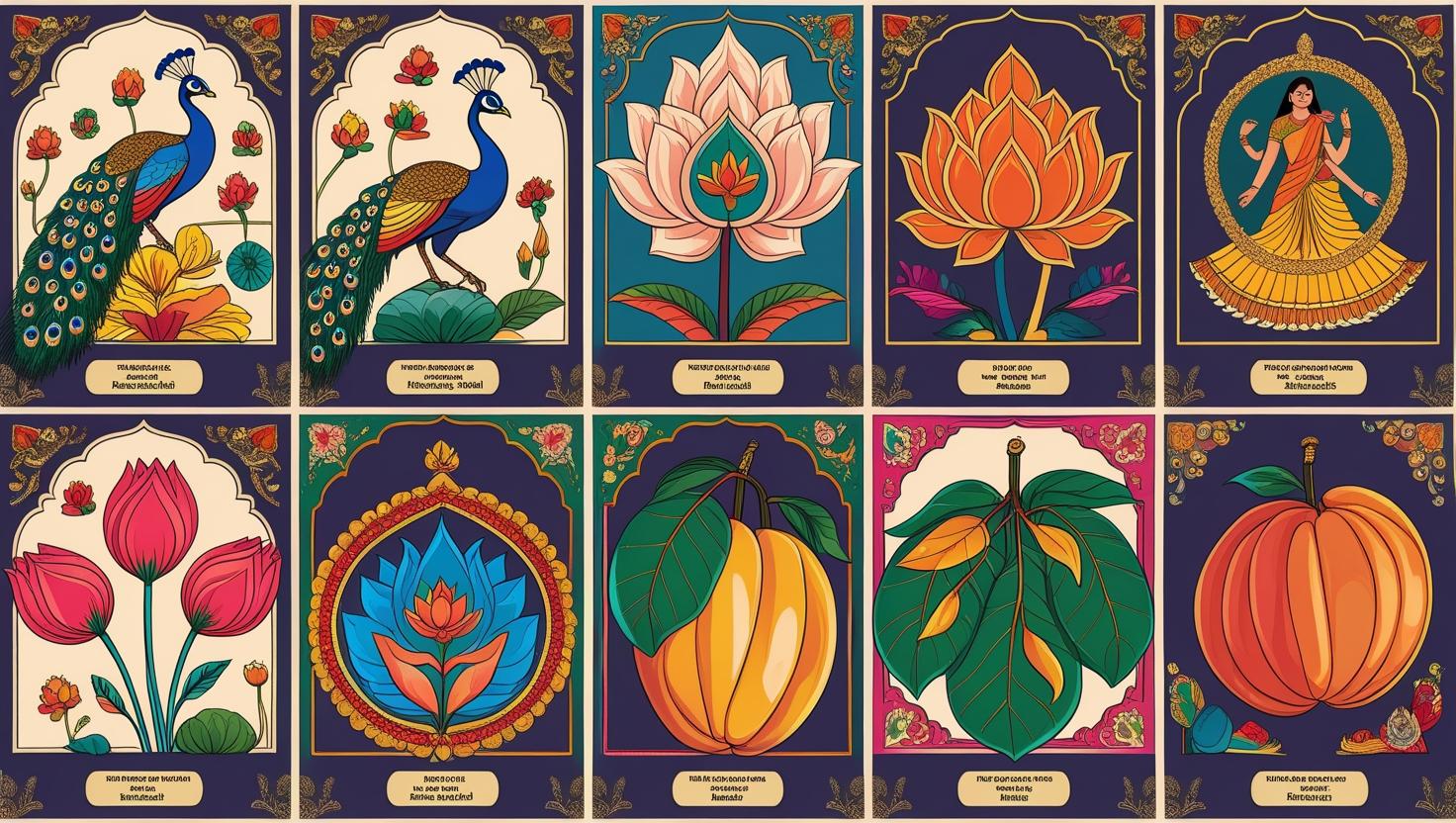
Lotus Motif
The lotus motif is a common design found in silk sarees. In Indian culture, the lotus symbolizes purity, enlightenment, and resilience. Women wearing a saree with lotus motifs are believed to embody these qualities.
Peacock Motif
The peacock motif is another popular design in silk sarees. The peacock symbolizes beauty, grace, and elegance. Sarees with peacock motifs are often worn during auspicious occasions and weddings.
Regional Variations in sarees">Silk Saree Motifs
Banarasi Silk Sarees
Banarasi silk sarees from Varanasi are known for their intricate zari work and motifs like floral patterns, paisleys, and animal motifs. These motifs symbolize fertility, prosperity, and spirituality.
Kanjivaram Silk Sarees
Kanjivaram silk sarees from Tamil Nadu feature motifs inspired by temple architecture, nature, and mythology. These motifs represent cultural heritage and religious beliefs.
Popular sarees">Silk Saree Motifs
Mango Motif
The mango motif is a traditional design symbolizing fertility and prosperity. Sarees with mango motifs are considered auspicious and are often worn by brides.
Ganesha Motif
The Ganesha motif is a favorite among sarees">silk saree designers. Ganesha, the elephant-headed god, is revered as the remover of obstacles and the god of beginnings. Sarees with Ganesha motifs are believed to bring luck and success.
Modern Interpretations of sarees">Silk Saree Motifs
Contemporary Designs
In modern times, designers have started incorporating contemporary motifs like abstract shapes, geometric patterns, and digital prints into silk sarees. These modern interpretations appeal to younger audiences while still honoring traditional craftsmanship.
Celebrities Flaunting sarees">Silk Saree Motifs
Inspiration from Celebrities
Celebrities like Deepika Padukone, Vidya Balan, and Rekha are often seen wearing exquisite silk sarees with intricate motifs. Their fashion choices inspire many women to embrace the timeless elegance of silk sarees.
Maintenance of Silk Sarees
Storage Tips
Store silk sarees in a cool, dry place away from direct sunlight to prevent fading. Avoid hanging silk sarees for long periods as it can stretch the fabric.
Cleaning Techniques
Dry clean silk sarees to maintain their sheen and color vibrancy. In case of stains, spot clean with a mild detergent and cold water. Do not wring or twist the saree while washing.
Tips for Buying Silk Sarees
Quality Check
Inspect the sarees">silk saree for the quality of fabric, weaving, and motifs. Genuine silk sarees may be priced higher but are worth the investment for their durability and beauty.
Design Selection
Choose motifs and designs that resonate with you and reflect your personal style. Whether traditional or contemporary, silk sarees should make you feel confident and graceful when worn.
Caring for Your Silk Sarees
Ironing Tips
Iron silk sarees on low heat to avoid damaging the delicate fabric. Use a cotton cloth between the saree and the iron to prevent direct contact.
Storing Safely
Wrap silk sarees in muslin cloth or acid-free tissue paper to protect them from humidity and pests. Avoid using plastic covers as they can trap moisture and cause discoloration.
Conclusion
Symbolism plays a significant role in the design and motifs of silk sarees, reflecting the rich cultural heritage of India. Whether traditional or modern, sarees">silk saree motifs continue to fascinate and inspire generations of women.
Frequently Asked Questions
1. Where can I find the best collection of silk sarees in India?
Kanchan Fashion's sarees are renowned for their exquisite designs and superior quality. Visit their store for a wide range of silk sarees to choose from.
2. Can silk sarees be worn on casual occasions?
Yes, silk sarees can be styled for casual events by pairing them with simple jewelry and accessories. Opt for lighter silk sarees with minimal motifs for a more relaxed look.
3. Are silk sarees suitable for all body types?
Silk sarees are versatile and can flatter different body types. Choose the right drape and silhouette that accentuates your features and complements your body shape.
4. How do I identify authentic silk sarees from synthetic ones?
Authentic silk sarees have a distinct texture, sheen, and feel that synthetic fabrics cannot replicate. Look for quality certifications and trust reputable sellers when buying silk sarees.
5. What is the significance of wearing silk sarees on special occasions?
Wearing silk sarees on special occasions like weddings, festivals, and celebrations is considered auspicious and brings blessings of prosperity and happiness. Silk sarees symbolize grace, elegance, and tradition, making them ideal for memorable moments.