Cart
0
5 Ways to Identify a Real Banarasi Saree
Table of Content
- Introduction
- Understanding Banarasi Sarees
- Identifying Real Banarasi Sarees
- 1. Check the Fabric
- 1.1 Silk Quality
- 1.2 Weaving Technique
- 2. Look for Trademark Patterns
- 3. Examine the Zari Work
- 3.1 Purity of Zari
- 3.2 Intricacy of Zari Work
- 4. Feel the Weight and Texture
- 5. Verify the Origin
- Conclusion
- FAQs
Introduction
When it comes to traditional Indian attire, Banarasi sarees are among the most coveted and luxurious options available. Known for their rich silk fabric and intricate designs, these sarees have a timeless appeal that never goes out of style. However, with the rise of counterfeit products in the market, it's important to be able to distinguish between a real Banarasi saree and a fake one. In this article, we will discuss five key ways to identify an authentic Banarasi saree.
Understanding Banarasi Sarees
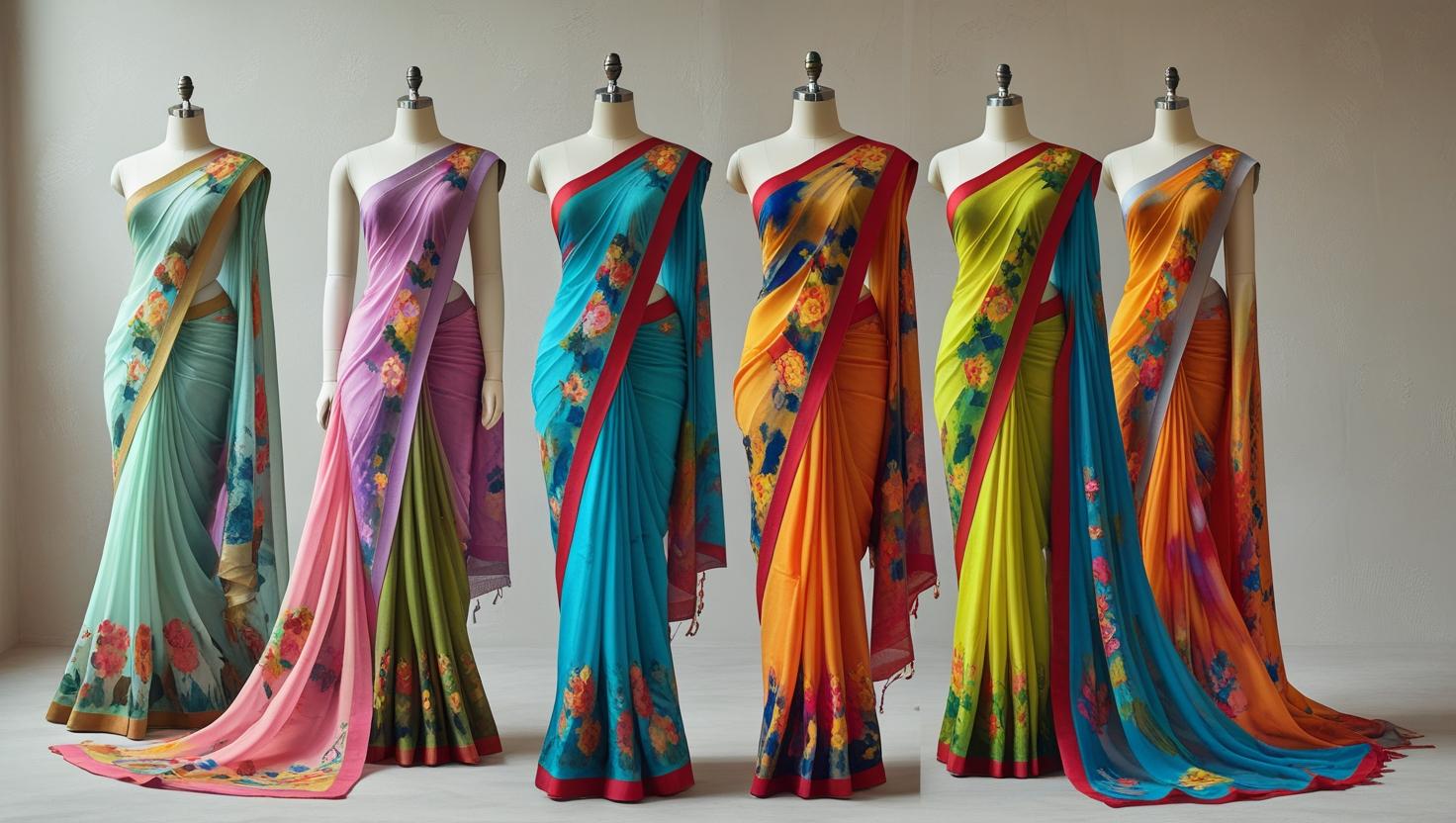
Banarasi sarees originate from the city of Varanasi, also known as Banaras, in Uttar Pradesh, India. These sarees are traditionally made using finely woven silk and are adorned with intricate designs such as designer sarees online" rel="noopener">floral motifs, paisleys, and intricate zari work. The handcrafted nature of Banarasi sarees makes them highly prized among fashion enthusiasts and connoisseurs.
Identifying Real Banarasi Sarees
1. Check the Fabric
1.1 Silk Quality
One of the key characteristics of a real Banarasi saree is the quality of the silk used in its production. Authentic Banarasi sarees are crafted from pure silk, which gives them a distinctive lustrous appearance and smooth texture. Fake Banarasi sarees are often made from synthetic materials or low-quality silk blends, which are not as durable or luxurious.
1.2 Weaving Technique
In addition to the silk quality, the weaving technique of a Banarasi saree is also crucial in determining its authenticity. Banarasi sarees are handwoven on traditional pit looms by skilled artisans, resulting in intricate patterns and designs that cannot be replicated by machines. Look for small irregularities in the weave, as these imperfections are a sign of genuine handwoven craftsmanship.
2. Look for Trademark Patterns
Real Banarasi sarees are known for their trademark patterns and motifs, such as the kalga and bel, which are symbolic of royalty and prosperity. These traditional motifs are woven into the fabric using gold or silver zari threads, creating a luxurious and elegant look. Be wary of sarees that claim to be Banarasi but lack these iconic patterns.
3. Examine the Zari Work
3.1 Purity of Zari
Zari work is a defining feature of Banarasi sarees, with intricate gold or silver thread embroidery used to embellish the fabric. Authentic Banarasi sarees use pure zari, which has a higher metal content and a brighter sheen compared to imitation zari. Hold the saree up to the light to see if the zari sparkles and reflects light, indicating its purity.
3.2 Intricacy of Zari Work
The level of intricacy in the zari work also serves as a clue to the authenticity of a Banarasi saree. Genuine Banarasi sarees feature intricate and densely woven zari patterns that cover the entire saree, including the pallu and borders. Fake sarees may have sparse or poorly executed zari work, with visible gaps and inconsistencies in the design.
4. Feel the Weight and Texture
A real Banarasi saree has a substantial weight and a luxurious feel to the touch, thanks to the high-quality silk and intricate weaving. Run your fingers over the fabric to assess its texture – it should be smooth and soft, with a slight sheen that reflects light. Fake Banarasi sarees are often lightweight and lack the rich, tactile quality of the real deal.
5. Verify the Origin
Finally, to ensure the authenticity of a Banarasi saree, verify its origin and purchase it from reputable sources. Genuine Banarasi sarees are handcrafted in Varanasi by skilled artisans who have been practicing the craft for generations. Look for certifications or labels that indicate the saree's authenticity and origin, such as GI tags or government seals.
Conclusion
Identifying a real Banarasi saree requires attention to detail and an understanding of the traditional craftsmanship that goes into making these luxurious garments. By checking the fabric quality, examining the weaving technique, and scrutinizing the zari work, you can ensure that you are investing in an authentic piece of Indian heritage. Remember to purchase Banarasi sarees from trusted sources to guarantee their quality and authenticity.
FAQs
- Where can I buy authentic Banarasi sarees?
- How can I distinguish between real zari and imitation zari?
- Are Banarasi sarees suitable for special occasions?
- Do Banarasi sarees come in different color options?
- What is the significance of the kalga and bel motifs in Banarasi sarees?