Cart
0
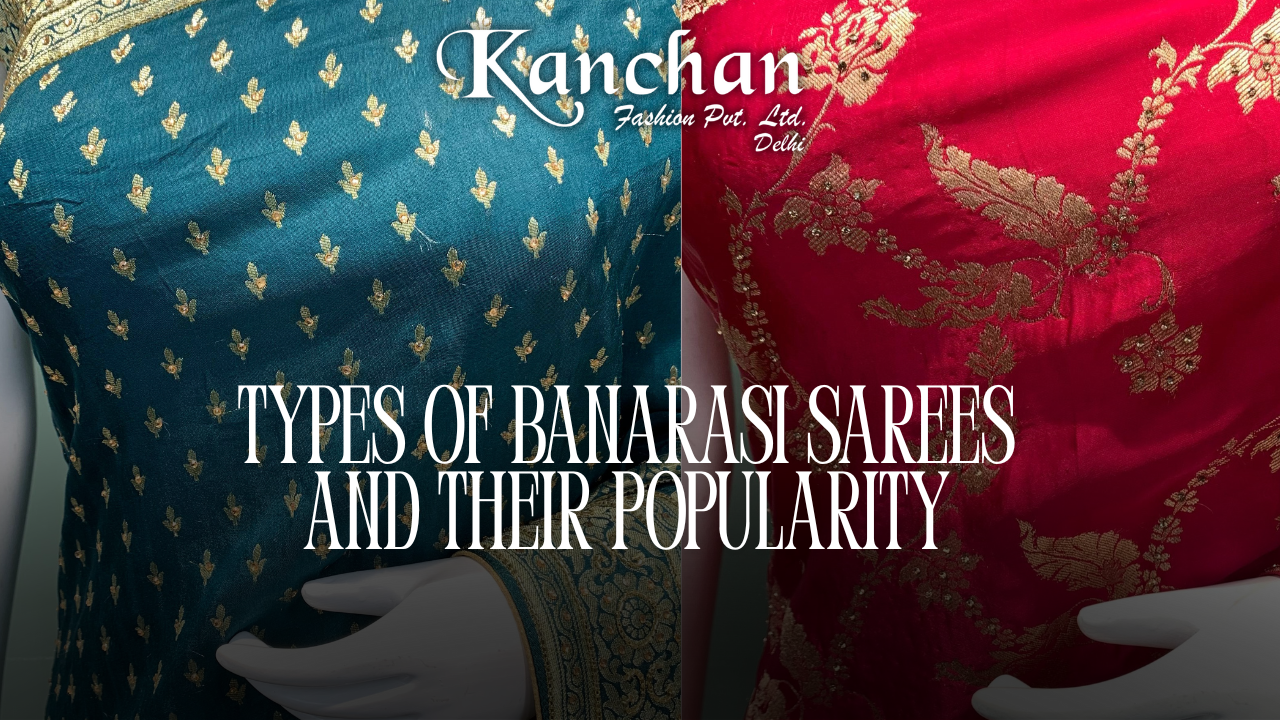
Table of Contents
-
Introduction – The Legacy of Banarasi Sarees
-
Types of Banarasi Sarees at a Glance
-
Katan Banarasi Saree
-
Organza (Kora) Banarasi Saree
-
Georgette Banarasi Saree
-
Shattir Banarasi Saree
-
Tissue Banarasi Saree
-
Jangla Banarasi Saree
-
Tanchoi Banarasi Saree
-
Cutwork Banarasi Saree
-
Jamdani Banarasi Saree
-
Contemporary/Designer Banarasi Sarees
-
-
Popularity Trends: Which Banarasi Sarees Do People Love the Most?
-
Detailed Guide to Each Type of Banarasi Saree
-
Katan Banarasi Sarees
-
Organza Banarasi Sarees
-
Georgette Banarasi Sarees
-
Shattir Banarasi Sarees
-
Tissue Banarasi Sarees
-
Jangla Banarasi Sarees
-
Tanchoi Banarasi Sarees
-
Cutwork Banarasi Sarees
-
Jamdani Banarasi Sarees
-
Designer/Fusion Banarasi Sarees
-
-
Banarasi Saree Popularity by Occasion
-
Banarasi Saree Popularity by Geography (India & Global)
-
Future Trends: Where is the Banarasi Saree Market Heading?
-
Conclusion
1. Introduction – The Legacy of Banarasi Sarees
The Banarasi saree is not just clothing; it’s a symbol of India’s artistic heritage, woven in the ancient city of Varanasi. These sarees are renowned for their luxurious silk, intricate zari work, and exquisite patterns inspired by Mughal artistry.
There are ten major types of Banarasi sarees that dominate the market today:
-
Katan Banarasi Saree (pure silk, plain or patterned)
-
Organza/Kora Banarasi Saree (transparent, lightweight)
-
Georgette Banarasi Saree (flowy, party-wear friendly)
-
Shattir Banarasi Saree (unique contemporary weave)
-
Tissue Banarasi Saree (shimmery, golden look)
-
Jangla Banarasi Saree (heavy brocade, floral motifs)
-
Tanchoi Banarasi Saree (intricate silk weaving, no zari)
-
Cutwork Banarasi Saree (budget-friendly, zari-inspired designs)
-
Jamdani Banarasi Saree (complex handloom weave, high artistry)
-
Designer/Contemporary Banarasi Saree (fusion & modern adaptations)

2. Types of Banarasi Sarees at a Glance
Here’s a quick overview of the popularity breakdown (approximate distribution based on online sales + fashion surveys):
| Type of Banarasi Saree | Popularity % (Approx) |
|---|---|
| Katan (Pure Silk) | 28% |
| Organza (Kora) | 10% |
| Georgette | 15% |
| Shattir | 5% |
| Tissue | 7% |
| Jangla | 8% |
| Tanchoi | 6% |
| Cutwork | 9% |
| Jamdani | 4% |
| Designer/Contemporary | 8% |

3. Popularity Trends: Which Banarasi Sarees Do People Love the Most?
-
Katan Banarasi Sarees (28%) dominate bridal and festive markets due to their luxurious silk and regal appeal.
-
Georgette Banarasi Sarees (15%) have surged in the last decade, especially for parties and younger wearers who prefer lighter fabrics.
-
Cutwork Banarasi Sarees (9%) are increasingly popular in urban middle-class markets due to affordability.
-
Designer Banarasi Sarees (8%) are growing fastest, as millennials & Gen-Z brides want fusion styles.
-
Traditional but rare types like Jamdani (4%) and Shattir (5%) remain niche but highly valued by collectors.

4. Detailed Guide to Each Type of Banarasi Saree
4.1 Katan Banarasi Sarees (28%)
-
Pure silk threads, luxurious texture.
-
Known for durability & timelessness.
-
Preferred by brides and for family heirlooms.
-
Colors: Deep red, gold, maroon.
4.2 Organza (Kora) Banarasi Sarees (10%)
-
Lightweight & sheer.
-
Intricate zari & embroidery.
-
Gaining popularity for summer weddings and office parties.
4.3 Georgette Banarasi Sarees (15%)
-
Light, flowy, modern.
-
Perfect for cocktail nights, young bridesmaids.
-
Popular in metro cities (Delhi, Mumbai, Bangalore).
4.4 Shattir Banarasi Sarees (5%)
-
Unique, experimental designs.
-
Less common but stylish; often custom-designed.
4.5 Tissue Banarasi Sarees (7%)
-
Shimmery, metallic finish.
-
Popular for evening parties & festivals.
4.6 Jangla Banarasi Sarees (8%)
-
Heavy brocade, Mughal-inspired floral patterns.
-
Usually chosen for grand weddings.
4.7 Tanchoi Banarasi Sarees (6%)
-
Woven without zari, intricate silk patterns.
-
Lightweight yet rich → preferred by those who want elegance without heaviness.
4.8 Cutwork Banarasi Sarees (9%)
-
Affordable alternative to heavy zari.
-
Very popular among office-goers & festive wear buyers.
4.9 Jamdani Banarasi Sarees (4%)
-
Ancient handloom technique, extremely time-intensive.
-
Expensive, niche, collector’s item.
4.10 Designer/Contemporary Banarasi Sarees (8%)
-
Fusion with lehenga styles, pre-draped formats, modern blouses.
-
Growing fastest among younger buyers.
5. Banarasi Saree Popularity by Occasion
| Occasion | Most Popular Types |
|---|---|
| Wedding (Bride) | Katan, Jangla, Tissue |
| Wedding (Guests) | Georgette, Cutwork, Designer |
| Festivals | Organza, Tissue, Cutwork |
| Office Wear | Georgette, Organza, Tanchoi |
| Gifting | Katan, Designer, Tissue |

6. Banarasi Saree Popularity by Geography
-
North India (UP, Bihar, Delhi): Katan & Jangla dominate.
-
South India (Tamil Nadu, Kerala): Competition with Kanjivaram, but Tissue & Designer Banarasis growing.
-
East India (Bengal): Organza & Jamdani appreciated.
-
West (Maharashtra, Gujarat): Cutwork & Georgette are strong.
-
Global (US, UK, Middle East): Designer & Tissue Banarasi are favorites among NRIs.

7. Future Trends
-
Fusion Banarasis (pre-draped, lehenga-style) will continue to rise.
-
Sustainable Banarasi Sarees (organic silk, natural dyes) will become more important.
-
Digital-first buyers will push lightweight types like Georgette & Organza higher.
-
Exports of Banarasi sarees are projected to grow at 8–10% CAGR till 2030.
8. Conclusion
Banarasi sarees are not a monolith—they’re a spectrum of artistry ranging from pure silk Katan (28%), to modern designer adaptations (8%). Their popularity shifts across regions, age groups, and occasions, but their essence as India’s most luxurious weave remains timeless.
Whether it’s the regal bridal Katan, the budget-friendly Cutwork, or the fusion Designer Banarasi, each type carries forward centuries of tradition while adapting to today’s fashion world.