Cart
0
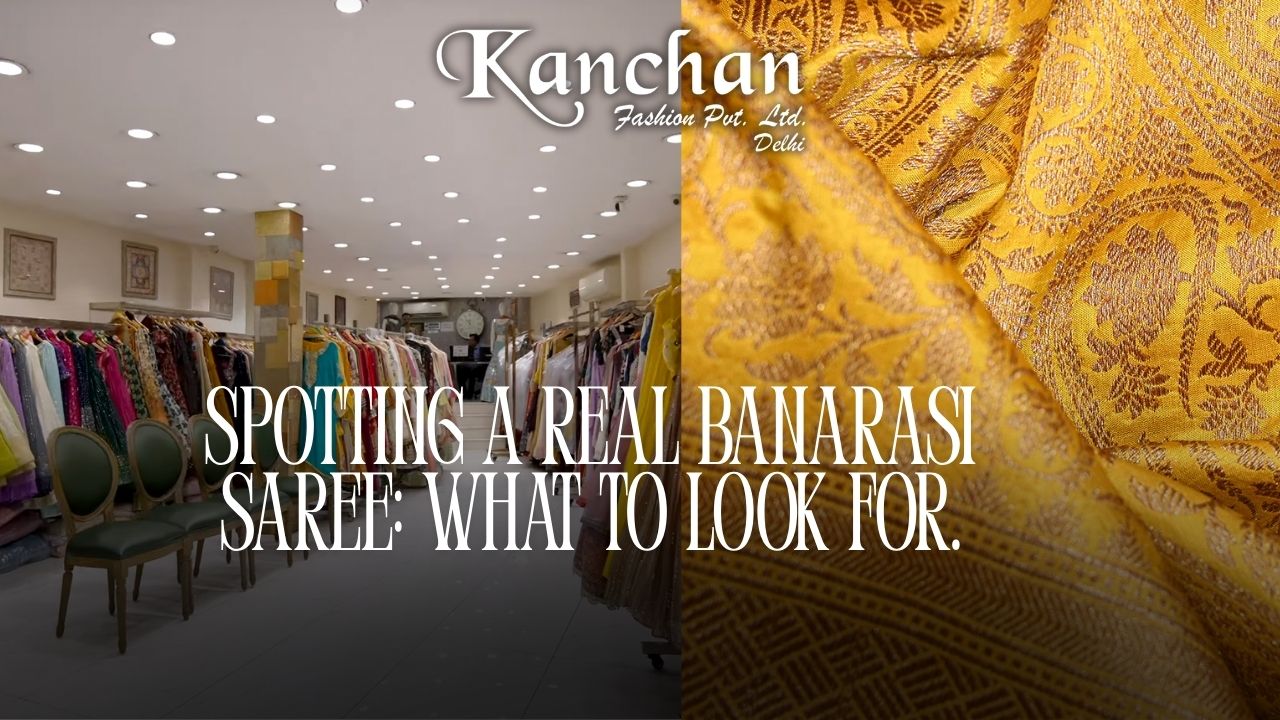
Table of Contents
-
Introduction
-
What is a Banarasi Saree?
-
History of Banarasi Sarees
-
Types of Banarasi Sarees
-
Kalakshetra
-
Georgette
-
Tanchoi
-
Jangla
-
-
Characteristics of a Real Banarasi Saree
-
Silk Fabric
-
Handwoven Craftsmanship
-
Intricate Designs
-
Pure Zari Work
-
-
Pricing of Banarasi Sarees
-
How to Identify a Real Banarasi Saree
-
Authenticity Certificate
-
Check for Handwoven Details
-
Feel the Fabric
-
Test the Zari Work
-
-
Where to Buy Real Banarasi Sarees
-
Kanchan Fashion’s Sarees
-
-
Maintenance of Banarasi Sarees
-
Care Instructions
-
Storage Tips
-
-
Conclusion
-
FAQs
Introduction
Banarasi sarees are treasured for their timeless elegance and detailed craftsmanship. Each saree is woven with intricate motifs that reflect India’s rich cultural heritage. Unfortunately, with their rising popularity, counterfeit Banarasi sarees have also flooded the market. This guide will help you identify a real Banarasi saree and make sure your investment is authentic.
What is a Banarasi Saree?
A Banarasi saree is a traditional silk saree that originates from Varanasi (Banaras), India. Known for its luxurious silk, intricate weaving, and zari embellishments, it has long been considered a mark of sophistication and grace.
History of Banarasi Sarees
The history of Banarasi sarees dates back to ancient times, when they were exclusively woven for royalty. Over centuries, the art of weaving has been passed down through generations of artisans, making Banarasi sarees not just attire, but a heritage piece.
Types of Banarasi Sarees
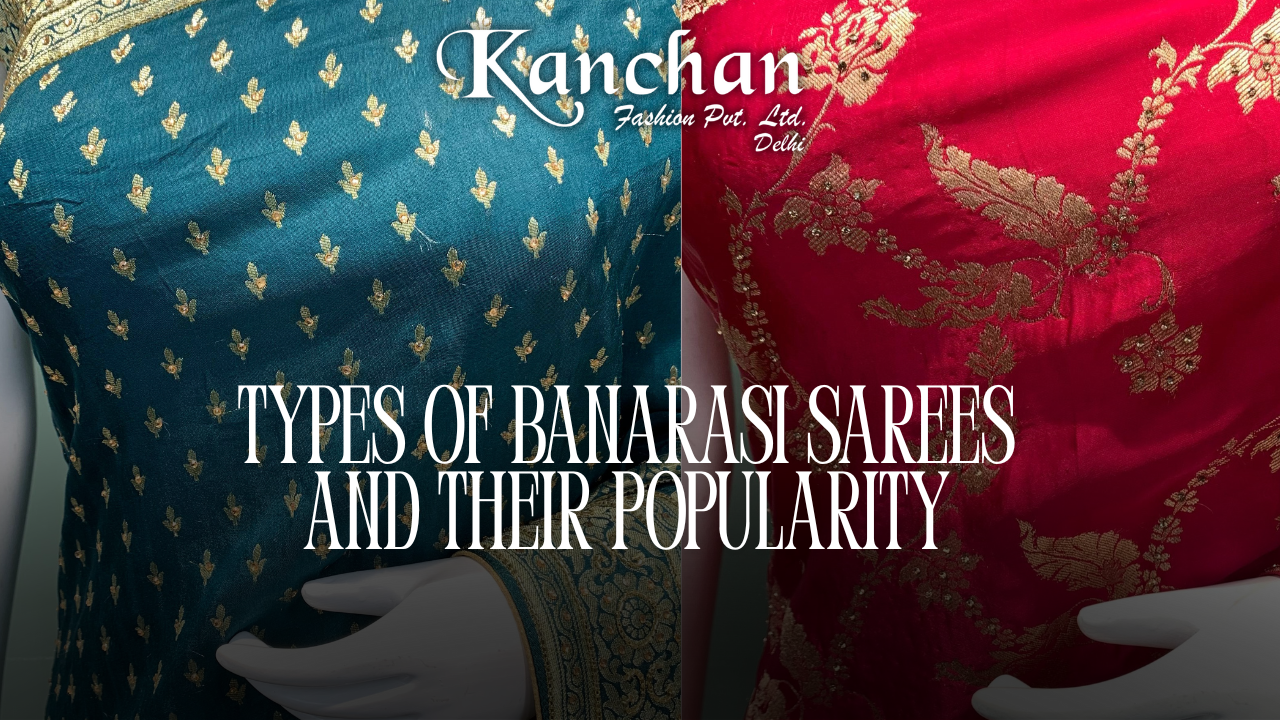
Banarasi sarees come in different varieties, each known for its weaving style and motifs:
-
Kalakshetra – Distinguished by artistic patterns and traditional weaving techniques.
-
Georgette Banarasi – Lighter and more flowy, perfect for contemporary wear.
-
Tanchoi – Features intricate, colorful weaves without zari.
-
Jangla – Known for elaborate floral motifs spread across the fabric.
Characteristics of a Real Banarasi Saree
-
Silk Fabric
Genuine Banarasi sarees are crafted from pure silk with a natural sheen and soft yet rich texture. -
Handwoven Craftsmanship
Authentic sarees are handwoven by skilled artisans, making each piece unique. -
Intricate Designs
Inspired by Mughal motifs, nature, and traditional Indian art, real Banarasi sarees feature detailed and symmetrical designs. -
Pure Zari Work
True Banarasi sarees use zari made from real silver or gold threads, giving them unmatched brilliance.
Pricing of Banarasi Sarees
Because of the craftsmanship, weaving time, and pure materials, real Banarasi sarees are priced higher than machine-made or imitation sarees. The cost depends on silk quality, intricacy of the design, and the zari used.
How to Identify a Real Banarasi Saree
-
Authenticity Certificate
Always look for a certificate of authenticity when buying, especially from reputed sellers. -
Check for Handwoven Details
Examine the saree closely—real Banarasi sarees show slight weaving irregularities that prove they are handmade. -
Feel the Fabric
Authentic Banarasi silk feels rich, smooth, and luxurious. Fake versions often feel coarse or synthetic. -
Test the Zari Work
Pure zari, when rubbed, does not flake or lose shine. It retains its luster for decades, unlike imitation threads.
Where to Buy Real Banarasi Sarees
To ensure authenticity, purchase only from trusted sellers. Kanchan Fashion’s Sarees, located in Chandni Chowk, is a reliable destination for genuine Banarasi sarees sourced directly from skilled weavers. Each saree is carefully curated to bring you the finest craftsmanship and designs.
Maintenance of Banarasi Sarees
-
Care Instructions
Always dry clean Banarasi sarees to maintain their delicate silk and zari work. Avoid harsh detergents or machine washing. -
Storage Tips
Wrap the saree in a muslin cloth and store it in a cool, dry place. Refold it occasionally to prevent permanent creases.
Conclusion
Banarasi sarees are more than just garments—they are heirlooms that represent India’s cultural and artistic heritage. By learning how to identify a real Banarasi saree, you can make a confident purchase and treasure it for generations. To guarantee authenticity, always buy from trusted stores like Kanchan Fashion’s Sarees.
FAQs
1. Are all Banarasi sarees made of silk?
Yes, authentic Banarasi sarees are woven from high-quality silk.
2. Can I wash my Banarasi saree at home?
It is best to dry clean them to preserve the fabric and zari.
3. How can I identify real zari work?
Pure zari is made of silver or gold threads and does not fade or flake like artificial alternatives.
4. Do Banarasi sarees come in different colors?
Yes, from traditional reds and golds to modern pastel shades, Banarasi sarees are available in a wide color palette.