Cart
0
The Ultimate Guide to Banarasi Saree Types: Silk, Georgette, and More
Table of Contents
- Introduction
-
1. History of Banarasi Sarees
- 1.1 Origin of Banarasi Sarees
- 1.2 Evolution of Banarasi Sarees
-
2. Types of Banarasi Sarees
-
2.1 Banarasi Silk Sarees
- 2.1.1 Features of Banarasi Silk Sarees
- 2.1.2 Popular Designs in Banarasi Silk Sarees
-
2.2 Banarasi Georgette Sarees
- 2.2.1 Characteristics of Banarasi Georgette Sarees
- 2.2.2 Trending Patterns in Banarasi Georgette Sarees
-
2.3 Other Types of Banarasi Sarees
- 2.3.1 Banarasi Cotton Sarees
- 2.3.2 Banarasi Zari Sarees
-
2.1 Banarasi Silk Sarees
- 3. How to Identify an Authentic Banarasi Saree
- 4. Occasions to Wear Banarasi Sarees
- 5. Maintaining Banarasi Sarees
- 6. Where to Buy Banarasi Sarees
- 7. Conclusion
-
8. FAQs
- 8.1 Are Banarasi Sarees only suitable for weddings?
- 8.2 Can Banarasi Sarees be worn on casual occasions?
- 8.3 What is the significance of the zari work in Banarasi Sarees?
- 8.4 Do Banarasi Sarees require special care while washing?
- 8.5 How long does it take to weave a Banarasi Saree?
Introduction
Banarasi sarees are one of the most luxurious and sought-after sarees in India. Known for their intricate designs, rich colors, and fine craftsmanship, Banarasi sarees are a timeless piece of traditional Indian attire that have been cherished for generations. In this guide, we will explore the different types of Banarasi sarees, including silk, georgette, and more.
1. History of Banarasi Sarees
Banarasi sarees have a rich history that dates back centuries. Let's delve into the origins and evolution of these exquisite sarees.
1.1 Origin of Banarasi Sarees
The origins of Banarasi sarees can be traced back to the city of Varanasi, also known as Banaras. It is believed that the art of weaving Banarasi sarees was introduced to India by Mughal emperors in the 17th century. The intricate designs and use of luxurious fabrics made these sarees popular among the royalty and aristocracy.
1.2 Evolution of Banarasi Sarees
Over the years, Banarasi sarees have evolved to incorporate a blend of traditional and contemporary designs. The weaving techniques have been passed down through generations, ensuring that each Banarasi saree is a work of art.
2. Types of Banarasi Sarees
There are various types of Banarasi sarees, each with its unique characteristics and appeal. Let's explore some of the most popular types:
2.1 Banarasi Silk Sarees
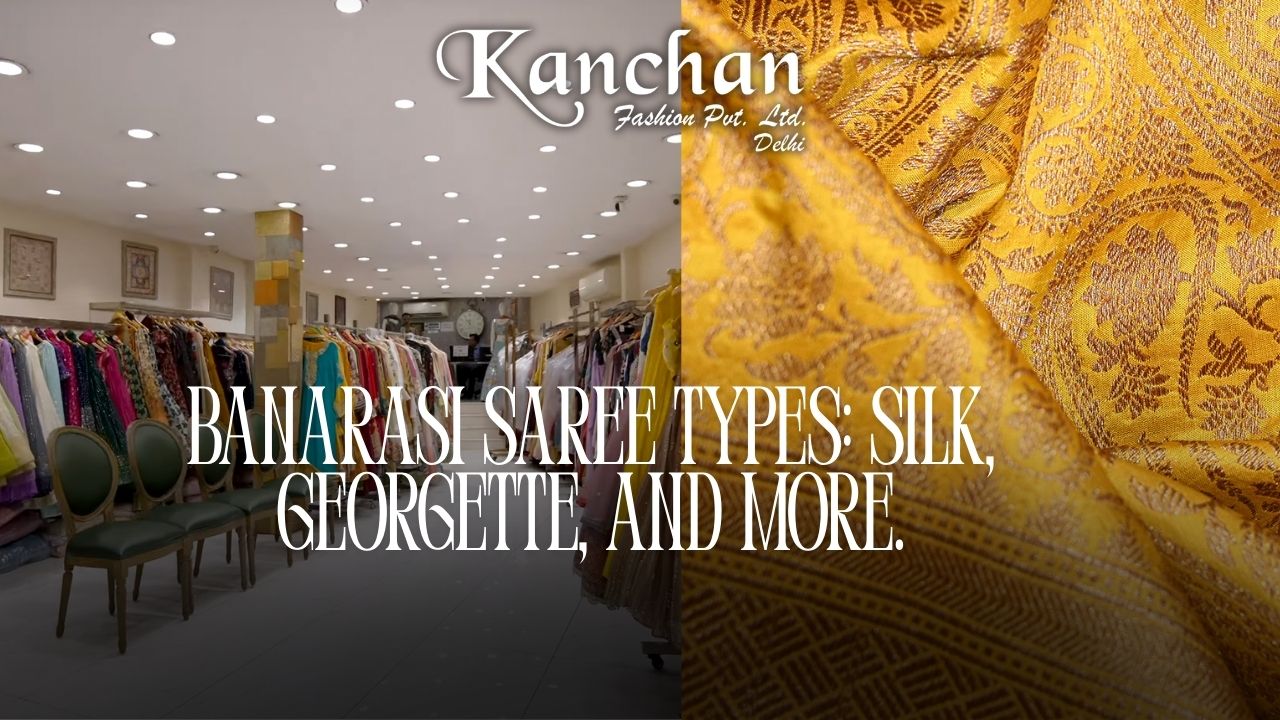
Banarasi silk sarees are known for their opulent look and feel. Made from pure silk, these sarees are adorned with intricate zari work and motifs inspired by nature, Mughal architecture, and geometric patterns.
2.1.1 Features of Banarasi Silk Sarees
- Rich and lustrous fabric - Elaborate zari work - Timeless appeal - Ideal for weddings and festive occasions
2.1.2 Popular Designs in Banarasi Silk Sarees
- Peacock motifs - Floral patterns - Paisley designs - Buta work
2.2 Banarasi Georgette Sarees
Georgette Banarasi sarees are a lighter and more affordable alternative to silk sarees. They are known for their sheer texture and delicate drape, making them perfect for both formal and casual events.
2.2.1 Characteristics of Banarasi Georgette Sarees
- Lightweight and breathable fabric - Intricate zari border - Versatile and easy to drape - Suitable for all occasions
2.2.2 Trending Patterns in Banarasi Georgette Sarees
- Checks and stripes - Floral jaal - Kadhua weave - Jamdani work
2.3 Other Types of Banarasi Sarees
In addition to silk and georgette, there are other types of Banarasi sarees, such as cotton and zari sarees.
2.3.1 Banarasi Cotton Sarees
Cotton Banarasi sarees are lightweight and comfortable, making them ideal for everyday wear. They often feature subtle zari work and elegant motifs.
2.3.2 Banarasi Zari Sarees
Zari Banarasi sarees are known for their intricate gold and silver thread work. They are a symbol of luxury and are usually reserved for special occasions and weddings.
3. How to Identify an Authentic Banarasi Saree
Authentic Banarasi sarees are made using traditional weaving techniques and high-quality materials. When looking for an authentic Banarasi saree, check for the following features:
- - Silk mark certification
- - Handwoven zari work
- - Fine craftsmanship
- - Rich and lustrous fabric
- - Unique motifs and designs
4. Occasions to Wear Banarasi Sarees
Banarasi sarees are versatile and can be worn on various occasions, including weddings, festivals, parties, and formal gatherings. They add a touch of elegance and sophistication to any outfit.
5. Maintaining Banarasi Sarees
To ensure the longevity of your Banarasi saree, it is essential to follow proper care instructions. Dry cleaning is recommended to preserve the fabric and zari work. Store your saree in a cool, dry place away from direct sunlight to prevent discoloration.
6. Where to Buy Banarasi Sarees
Kanchan Fashion's sarees are renowned for their exquisite collection of Banarasi sarees. With a wide range of designs, colors, and fabrics to choose from, Kanchan Fashion's sarees are the best saree store in India for all your traditional attire needs.
7. Conclusion
In conclusion, Banarasi sarees are an epitome of Indian craftsmanship and elegance. From silk to georgette, each type of Banarasi saree has its unique charm and appeal. Whether you're attending a wedding or a festive celebration, a Banarasi saree is sure to make you stand out in the crowd.
8. FAQs
8.1 Are Banarasi Sarees only suitable for weddings?
While Banarasi sarees are popular choices for weddings, they can also be worn on other occasions like festivals, parties, and formal events.
8.2 Can Banarasi Sarees be worn on casual occasions?
Yes, Banarasi georgette sarees are perfect for casual occasions due to their lightweight and versatile nature.
8.3 What is the significance of the zari work in Banarasi Sarees?
Zari work adds a touch of luxury and grandeur to Banarasi sarees, making them perfect for special events and celebrations.
8.4 Do Banarasi Sarees require special care while washing?
Yes, it is recommended to dry clean Banarasi sarees to protect the delicate fabric and zari work.
8.5 How long does it take to weave a Banarasi Saree?
The time taken to weave a Banarasi saree can vary depending on the intricacy of the design and the expertise of the weaver. It can take anywhere from a few days to several months to complete a single saree.