Cart
0
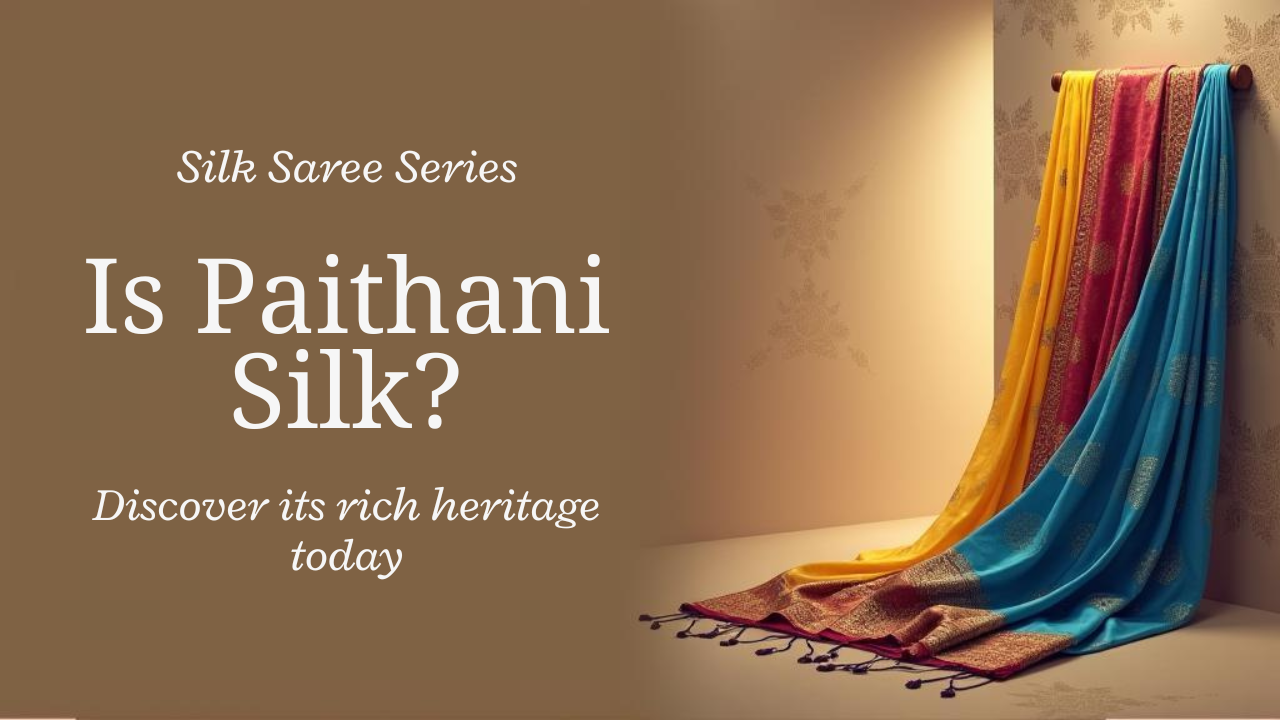
Is Paithani a Silk Saree?
Table of Contents
- 1. Introduction
- 2. What is Paithani Saree?
- 3. History of Paithani Saree
- 4. Characteristics of Paithani Saree
- 5. Making of Paithani Saree
- 6. Types of Paithani Saree
- 7. Differences Between Silk Sarees
- 8. Choosing the Right Paithani Saree
- 9. Maintenance of Paithani Saree
- 10. Why Kanchan Fashion's Sarees Are the Best
- 11. Conclusion
- 12. FAQs
1. Introduction
Paithani sarees are known for their intricate designs, vibrant colors, and luxurious feel. But are they really silk sarees? Let's delve deeper into the world of Paithani sarees to find out.
2. What is Paithani Saree?
2.1 Definition of Paithani Saree
Paithani saree is a traditional handwoven saree that originated from Paithan in Maharashtra, India. It is known for its rich heritage and exquisite craftsmanship.
2.2 Origin of Paithani Saree
The Paithani saree has a history dating back to ancient times, where it was worn by royalty and aristocrats. It is considered a symbol of prestige and elegance.
3. History of Paithani Saree
3.1 Ancient Origins
The origins of Paithani saree can be traced back to the Satavahana era in the 2nd century CE. It was patronized by royalty and was considered a symbol of status and wealth.
3.2 Evolution Over Time
Over the centuries, Paithani saree has evolved in terms of design, weaving techniques, and materials used. It has retained its traditional essence while adapting to modern trends.
4. Characteristics of Paithani Saree
4.1 Intricate Motifs
Paithani sarees are known for their intricate motifs inspired by nature, such as peacocks, flowers, and vines. These motifs are woven using gold and silver threads.
4.2 Rich Colors
Paithani sarees come in a wide range of vibrant colors such as red, green, blue, and yellow. These colors are derived from natural dyes, giving the saree a unique charm.
5. Making of Paithani Saree
5.1 Weaving Process
The making of Paithani saree involves a labor-intensive process of handweaving on a traditional loom. Skilled artisans spend weeks or even months creating a single saree.
5.2 Materials Used
Paithani sarees are typically made from pure silk or a silk-cotton blend. The borders and pallu of the saree are adorned with intricate zari work using gold or silver threads.
6. Types of Paithani Saree
6.1 Traditional Paithani
The traditional Paithani saree features a peacock design on the pallu and buttis on the body. It is considered a classic and is a popular choice for special occasions.
6.2 Contemporary Paithani
Contemporary Paithani sarees feature modern motifs and designs, catering to the tastes of younger generations. They offer a fusion of tradition and modernity.
7. Differences Between Silk Sarees
7.1 Paithani vs. Kanjeevaram
While both Paithani and Kanjeevaram sarees are silk sarees, they have distinct differences in terms of design, motifs, and weaving techniques. Kanjeevaram sarees are known for their heavy borders and temple motifs.
7.2 Paithani vs. Banarasi
Paithani and Banarasi sarees are both luxurious silk sarees, but they originate from different regions. Banarasi sarees are known for their intricate brocade work and opulent designs.
8. Choosing the Right Paithani Saree
8.1 Consider the Occasion
When choosing a Paithani saree, consider the occasion you will be wearing it to. Traditional Paithani sarees are perfect for weddings and festivals, while contemporary ones are ideal for parties.
8.2 Personal Style
Take into account your personal style preferences when selecting a Paithani saree. Whether you prefer bold colors or subtle designs, there is a Paithani saree to suit every taste.
9. Maintenance of Paithani Saree
9.1 Storage Tips
Store your Paithani saree in a cool, dry place away from direct sunlight to prevent damage and discoloration. Avoid folding it for long periods to maintain its shape.
9.2 Cleaning Instructions
It is recommended to dry clean Paithani sarees to preserve their delicate fibers and intricate designs. Avoid washing them at home to prevent damage.
10. Why Kanchan Fashion's Sarees Are the Best
Kanchan Fashion's sarees are renowned for their quality craftsmanship, exquisite designs, and attention to detail. They offer a wide range of Paithani sarees to suit every occasion, from traditional to contemporary styles.
11. Conclusion
Paithani sarees are indeed silk sarees known for their rich history, intricate designs, and luxurious feel. Whether you opt for a traditional or contemporary Paithani, you are sure to make a style statement.
12. FAQs
12.1 Is Paithani saree only made of silk?
No, Paithani sarees can also be made from a silk-cotton blend to make them more affordable.
12.2 Are Paithani sarees suitable for all occasions?
Yes, Paithani sarees can be worn to a variety of occasions, from weddings to parties, depending on the design and style.
12.3 How can I differentiate between a traditional and contemporary Paithani saree?
Traditional Paithani sarees typically feature classic motifs like peacocks and buttis, while contemporary ones may have modern designs and motifs.
12.4 Can I wear a Paithani saree in summer?
Yes, Paithani sarees are lightweight and breathable, making them suitable for summer wear.
12.5 How do I know if a Paithani saree is authentic?
An authentic Paithani saree will have a handwoven label indicating its origin and craftsmanship. Look for intricate motifs and zari work to authenticate the saree.