Cart
0

10 Classic Indian Wedding Sarees you should know about
Table of Content:
1. Introduction
2. Banarasi Saree
2.1 History of Banarasi Saree
2.2 Features of Banarasi Saree
2.3 Popular Designs
3. Kanjeevaram Saree
3.1 Origins of Kanjeevaram Saree
3.2 Characteristics of Kanjeevaram Saree
3.3 Color Combinations
4. Chanderi Saree
4.1 Chanderi Saree History
4.2 Light and Comfortable Fabric
4.3 Embroidery and Designs
5. Bandhani Saree
5.1 Tie-Dye Technique
5.2 Vibrant Colors
5.3 Regional Variations
6. Paithani Saree
6.1 Rich Heritage
6.2 Motifs and Borders
6.3 Unique Peacock Design
7. Sambalpuri Saree
7.1 Traditional Weaving Technique
7.2 Ikat Patterns
7.3 Perfect for Summer Weddings
8. Gadwal Saree
8.1 Combination of Cotton and Silk
8.2 Intricate Zari Work
8.3 Traditional Border Designs
9. Kantha Stitch Saree
9.1 Hand Embroidery Technique
9.2 Versatile and Lightweight
9.3 Storytelling Through Design
10. Patola Saree
10.1 Double Ikat Weaving
10.2 Gujarati Craftsmanship
10.3 Geometric Patterns
Conclusion
FAQs:
1. How do I choose the right Indian wedding saree for me?
2. Are these classic Indian wedding sarees suitable for all body types?
3. Can I wear these sarees for other occasions apart from weddings?
4. What accessories should I pair with these sarees?
5. Where can I purchase authentic Indian wedding sarees?
---
Introduction:
Indian weddings are known for their vibrant colors, grand celebrations, and stunning attire, with the saree being the traditional attire of choice for brides. Each region in India has its own unique style of saree, with intricate patterns, embroidery, and fabrics that make them truly special. In this article, we will explore 10 classic Indian wedding sarees that every bride should know about. ---
Banarasi Saree:
Banarasi Sarees - Kanchan Fashion" href="https://www.kanchanfashion.com/products/mehandi-green-banarasi-silk-saree-with-unstitched-blouse-and-weaving-work?_pos=4&_sid=3b09fd8da&_ss=r" target="_blank">
History of Banarasi Saree:
The Banarasi saree is one of the most popular and revered sarees in India, originating from the city of Varanasi (formerly known as Banaras). It has a rich history dating back to the Mughal era, where it was favored by royalty for its luxurious silk fabric and intricate weaving techniques.
Features of Banarasi Saree:
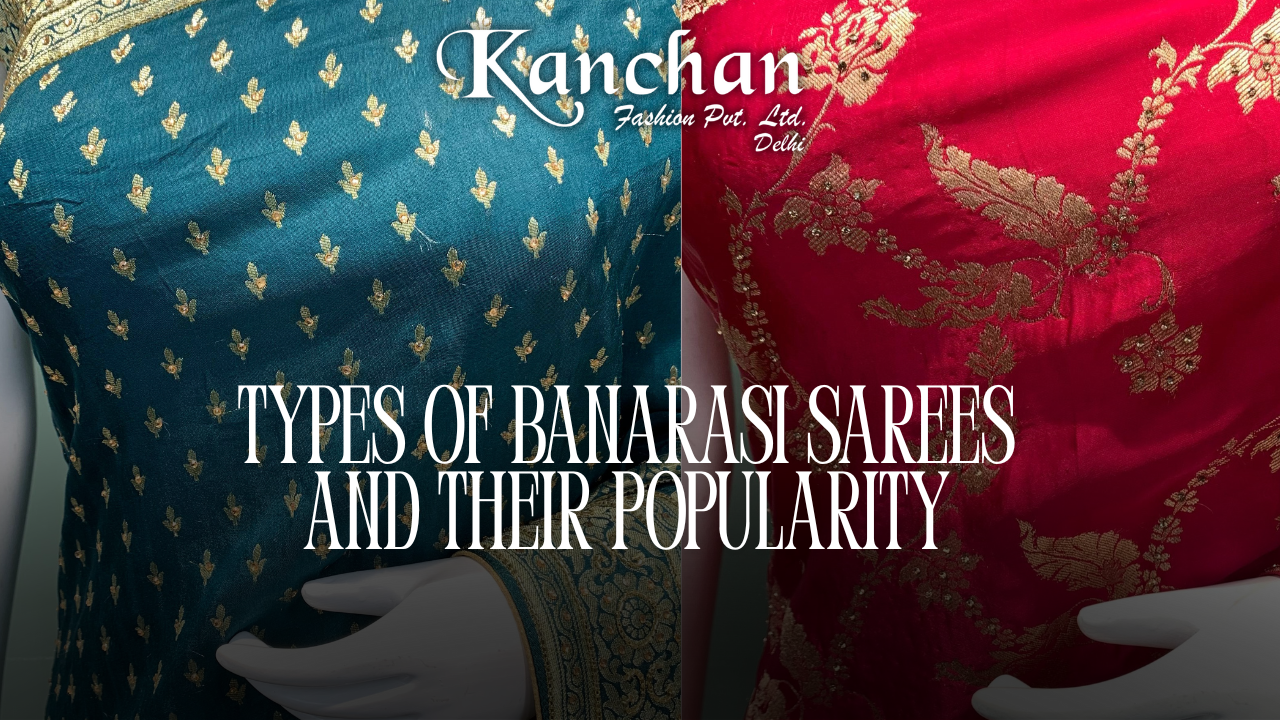
Banarasi sarees are known for their opulent look, with fine silk fabric, intricate zari work, and elaborate designs that often include motifs like floral patterns, paisleys, and animals. The saree is typically heavy and drape beautifully, making it perfect for weddings and special occasions.
Popular Designs:
Some of the popular designs of Banarasi sarees include the traditional butidar pattern, the delicate jangla design, and the intricate tanchoi weave. These designs showcase the skilled craftsmanship of Banarasi weavers and have been passed down through generations. ---
Kanjeevaram Saree:
Kanjeevaram Saree - Kanchan Fashion" href="https://www.kanchanfashion.com/products/voilet-kanjeevaram-silk-saree-with-unstitched-blouse-and-weaving-work?_pos=1&_psq=kan&_ss=e&_v=1.0" target="_blank">
Origins of Kanjeevaram Saree:
The Kanjeevaram saree hails from the town of Kanchipuram in Tamil Nadu and is renowned for its rich silk fabric, vibrant colors, and heavy golden borders. Considered one of the most exquisite sarees in India, it is a popular choice for South Indian brides.
Characteristics of Kanjeevaram Saree:
Kanjeevaram sarees are known for their durability, luster, and intricate weaving techniques that create stunning patterns like stripes, checks, and temple borders. The use of pure zari threads adds a touch of luxury to the saree, making it a timeless piece.
Color Combinations:
One of the distinguishing features of Kanjeevaram sarees is their bold and contrasting color combinations. Brides often choose sarees in vibrant hues like red, green, and gold to make a statement on their special day. ---
Chanderi Saree:

Chanderi Saree History:
Chanderi sarees have a royal lineage, with roots dating back to the Vedic period. Made from a lightweight fabric blend of silk and cotton, these sarees are known for their sheer texture, glossy finish, and traditional handwoven patterns.
Light and Comfortable Fabric:
One of the key advantages of Chanderi sarees is their lightweight and breathable fabric, making them ideal for summer weddings. The sheer texture of the saree adds an element of elegance, while the glossy finish gives it a luxurious look.
Embroidery and Designs:
Chanderi sarees often feature handwoven motifs like peacocks, flowers, and geometric patterns, which are created using traditional techniques. The intricate embroidery work and delicate designs make these sarees a popular choice for brides looking for a timeless and classic look. ---
Bandhani Saree:

Tie-Dye Technique:
Bandhani sarees are known for their vibrant colors and unique tie-dye technique, where small portions of the fabric are tied with threads before dyeing to create intricate patterns. This traditional craft originated in the desert regions of Rajasthan and Gujarat.
Vibrant Colors:
Bandhani sarees come in a wide range of colors, from bright pinks and oranges to deep blues and greens, making them a popular choice for brides who want to make a bold statement. The intricate patterns created through the tie-dye process add a touch of elegance to the saree.
Regional Variations:
Different regions in India have their own variations of Bandhani sarees, with each region showcasing unique patterns and color combinations. Whether it's the vibrant Bandhej of Rajasthan or the intricate Bandhani of Gujarat, these sarees are a cultural representation of Indian craftsmanship. ---
Paithani Saree:

Rich Heritage:
Paithani sarees have a rich heritage dating back to the Maratha Empire, where they were worn by royalty and aristocracy. Known for their intricate weaving techniques and fine silk fabric, these sarees are a symbol of luxury and tradition.
Motifs and Borders:
Paithani sarees often feature elaborate motifs like peacocks, flowers, and geometric patterns, which are woven using a special technique called tapestry weaving. The borders of the sarees are adorned with intricate designs that add a touch of elegance to the overall look.
Unique Peacock Design:
One of the signature designs of Paithani sarees is the peacock motif, which symbolizes grace, beauty, and integrity. The intricate detailing of the peacock design on the saree makes it a popular choice for brides looking for a traditional yet stylish ensemble. ---
Sambalpuri Saree:

Traditional Weaving Technique:
Sambalpuri sarees are known for their traditional ikat weaving technique, where yarns are resist-dyed before being woven to create intricate patterns. Originating from the western Odisha region, these sarees are prized for their unique designs and vibrant colors.
Ikat Patterns:
The intricate ikat patterns on Sambalpuri sarees often feature geometric shapes, floral motifs, and animal designs, all created through the skilled craftsmanship of local weavers. The bold and vibrant colors make these sarees a popular choice for brides who want to make a statement.
Perfect for Summer Weddings:
Sambalpuri sarees are made from lightweight cotton and silk fabrics, making them ideal for summer weddings or outdoor ceremonies. The breathable fabric and intricate designs ensure that brides stay comfortable and stylish throughout the celebrations. ---
Gadwal Saree:

Combination of Cotton and Silk:
Gadwal sarees are unique in that they combine the richness of silk with the comfort of cotton, making them a versatile choice for weddings and festive occasions. These sarees are known for their lightweight feel and elegant drape.
Intricate Zari Work:
Gadwal sarees often feature intricate zari work on the borders and pallu, adding a touch of glamour and sophistication to the overall look. The use of pure zari threads and traditional weaving techniques make these sarees a favorite among brides looking for a blend of tradition and modernity.
Traditional Border Designs:
The borders of Gadwal sarees are adorned with traditional motifs like temple designs, peacocks, and vines, which are a hallmark of the Gadwal weaving tradition. These intricate designs add a touch of elegance to the saree and make it a stunning choice for weddings. ---
Kantha Stitch Saree:

Hand Embroidery Technique:
Kantha stitch sarees are known for their intricate hand embroidery, where simple running stitches are used to create beautiful patterns and designs on the fabric. Originating from the Bengal region, Kantha stitch sarees are prized for their delicate craftsmanship.
Versatile and Lightweight:
Kantha stitch sarees are lightweight and easy to drape, making them a popular choice for brides who want to look elegant yet comfortable on their wedding day. The versatile designs and soft fabric make these sarees a timeless addition to any bridal ensemble.
Storytelling Through Design:
One of the unique aspects of Kantha stitch sarees is that each design tells a story, with motifs like birds, animals, and nature woven into the fabric. Brides can choose sarees that resonate with their personal style and preferences, adding a meaningful touch to their outfit. ---
Patola Saree:

Double Ikat Weaving:
Patola sarees are known for their double ikat weaving technique, where both the warp and weft threads are resist-dyed before being woven to create intricate patterns. Originating from the Patan region in Gujarat, these sarees are prized for their fine craftsmanship.
Gujarati Craftsmanship:
The intricate patterns and vibrant colors of Patola sarees showcase the skilled craftsmanship of Gujarati weavers, who have mastered the art of double ikat weaving. The sarees often feature geometric designs, floral motifs, and traditional borders that add a touch of elegance.
Geometric Patterns:
One of the hallmark features of Patola sarees is the use of geometric patterns, which are created with precision and skill by the weavers. These bold and eye-catching designs make Patola sarees a popular choice for brides who want to make a statement on their wedding day. ---
Conclusion:
In conclusion, Indian wedding sarees are a symbol of tradition, craftsmanship, and elegance, with each saree style offering a unique blend of heritage and modernity. Whether it's the luxurious Banarasi saree, the regal Kanjeevaram saree, or the intricate Patola saree, there is a saree for every bride's taste and style. Kanchan Fashion's sarees are renowned for their quality, craftsmanship, and timeless designs, making them the perfect choice for brides looking to make a statement on their special day. ---
FAQs:
1. How do I choose the right Indian wedding saree for me?
To choose the right Indian wedding saree, consider factors like your personal style, body type, and the theme of the wedding. Look for sarees that reflect your personality and make you feel confident and comfortable on your special day.
2. Are these classic Indian wedding sarees suitable for all body types?
Yes, classic Indian wedding sarees come in a variety of styles, fabrics, and drapes that can flatter all body types. Whether you're petite, curvy, or tall, there is a saree style that will complement your figure and make you look stunning on your wedding day.
3. Can I wear these sarees for other occasions apart from weddings?
Absolutely! Indian wedding sarees are versatile and can be worn for a range of special occasions like festivals, parties, and family gatherings. You can mix and match different accessories and jewelry to create unique looks that suit the event.
4. What accessories should I pair with these sarees?
For Indian wedding sarees, traditional accessories like gold jewelry, kundan earrings, and embellished clutches are popular choices. You can also experiment with statement pieces like maang tikas, bangles, and anklets to add a touch of glamour to your ensemble.
5. Where can I purchase authentic Indian wedding sarees?
Authentic Indian wedding sarees can be purchased from reputable stores, designer boutiques, or online platforms that specialize in ethnic wear. Kanchan Fashion's sarees are known for their authenticity and craftsmanship, making them a trusted choice for brides looking for high-quality sarees for their special day.