Cart
0
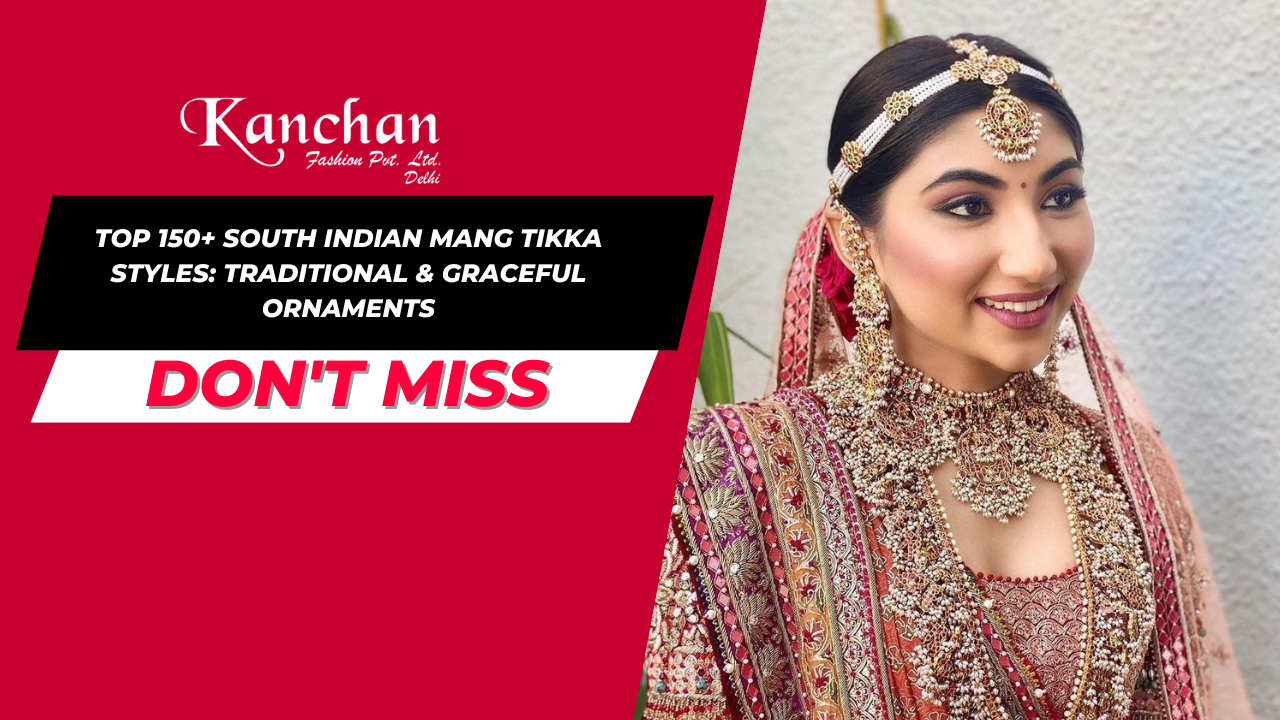

Table of Contents:
- Introduction
- The Significance of the Mang Tikka in South Indian Culture
- Evolution of Mang Tikka Designs in South India
- Gold Mang Tikkas: Timeless Elegance
- Diamond Mang Tikkas: Sparkling Sophistication
- Kundan Mang Tikkas: Royal Grandeur
- Polki Mang Tikkas: Uncut Charm
- Temple Jewelry Mang Tikkas: Divine Inspiration
- Nagas Mang Tikkas: Serpent Majesty
- Kasu Mala Inspired Mang Tikkas: Coin Adornments
- Pearl Mang Tikkas: Subtle Sheen
- Gemstone Mang Tikkas: Vibrant Hues
- Single Stone Mang Tikkas: Minimalist Beauty
- Layered Mang Tikkas: Intricate Designs
- Chandbali Inspired Mang Tikkas: Crescent Moon Allure
- Jhoomar Style Mang Tikkas: Dangling Delight
- Mathapatti with Attached Mang Tikka: Regal Headpiece
- Contemporary Mang Tikka Designs: Fusion Flair
- Styling Tips for Different Face Shapes
- Caring for Your Precious Mang Tikkas
- Conclusion
- Frequently Asked Questions (FAQ)
Top 150+ South Indian Mang Tikka Styles: Traditional & Graceful Ornaments


1. Introduction
The Mang Tikka, also known as a Maang Tikka or Matha Patti (depending on its size and style), holds a significant place in the adornment of South Indian women, particularly brides. This exquisite piece of jewelry graces the forehead, resting delicately at the hairline, and is much more than just an ornament. It symbolizes marital status, enhances beauty, and carries cultural and spiritual significance. The South Indian peninsula, with its rich heritage and diverse traditions, offers an astounding array of Mang Tikka styles, each reflecting the region's artistic prowess and aesthetic sensibilities. From the classic allure of gold to the dazzling brilliance of diamonds, the intricate craftsmanship of Kundan and Polki to the divine motifs of temple jewelry, the sheer variety of designs can be overwhelming yet captivating. This blog aims to delve into the fascinating world of South Indian Mang Tikkas, exploring over 150 styles that embody both traditional grace and contemporary flair. We will unravel the cultural importance, trace the evolution of designs, and provide insights into the materials, craftsmanship, and styling of these timeless ornaments, offering a comprehensive guide for anyone looking to appreciate or acquire these beautiful pieces.
2. The Significance of the Mang Tikka in South Indian Culture
In South Indian culture, the Mang Tikka transcends its role as a mere decorative accessory; it is deeply imbued with symbolic meaning and cultural significance, especially within the context of marriage. Traditionally, the Mang Tikka is one of the Solah Shringar (sixteen adornments) of a bride, signifying her transition into married life and enhancing her beauty on her wedding day. The central pendant resting on the Ajna chakra, the third eye, is believed to symbolize the union of the bride and groom and is thought to promote concentration, wisdom, and inner peace. It is also considered an auspicious ornament that wards off negative energy and brings good fortune to the couple. Beyond weddings, Mang Tikkas are often worn during festivals, religious ceremonies, and other significant cultural events, signifying celebration and reverence. The design and material of the Mang Tikka can also reflect family traditions and regional customs, with certain motifs or gemstones being passed down through generations as heirlooms. The act of adorning a woman with a Mang Tikka is often a cherished moment, performed by family members as a blessing and a mark of acceptance into the marital fold. Therefore, understanding the cultural significance of the Mang Tikka provides a deeper appreciation for its beauty and the integral role it plays in South Indian traditions.
3. Evolution of Mang Tikka Designs in South India
The evolution of Mang Tikka designs in South India mirrors the region's rich history and artistic transformations over centuries. Ancient forms were likely simpler, crafted from natural materials like beads, shells, and rudimentary metals. As craftsmanship advanced, gold became the primary medium, reflecting the region's prosperity and reverence for the metal. Early gold Mang Tikkas often featured basic circular or floral pendants, gradually incorporating intricate carvings of deities, mythical creatures, and nature-inspired motifs, heavily influenced by temple architecture and religious beliefs. The patronage of royal families also played a crucial role in the development of elaborate designs, with the introduction of precious and semi-precious gemstones like rubies, emeralds, and sapphires, meticulously set in traditional styles like Kundan and Polki. The Vijayanagara and Chola empires, known for their artistic excellence, significantly contributed to the refinement of jewelry designs, including the Mang Tikka. Over time, while traditional designs have been preserved and continue to be cherished, contemporary influences have also led to the emergence of fusion styles that blend classic aesthetics with modern sensibilities. Today, South Indian Mang Tikka designs showcase a remarkable spectrum, from minimalist single-stone pieces to elaborate multi-layered Mathapattis, catering to diverse tastes and occasions while still honoring the deep-rooted traditions.
4. Gold Mang Tikkas: Timeless Elegance
Gold Mang Tikkas epitomize timeless elegance and hold a special place in South Indian jewelry traditions. The inherent luster and auspiciousness of gold make it a preferred metal for bridal and festive adornments. South Indian gold Mang Tikkas come in a myriad of designs, ranging from simple, polished pendants to intricately carved masterpieces. Traditional motifs often include depictions of goddesses like Lakshmi, floral patterns, geometric shapes, and auspicious symbols. The craftsmanship involved can vary from delicate filigree work to robust engravings, showcasing the skill of local artisans. The purity of gold used often varies, with 22-karat gold being a common preference for its rich color and malleability for intricate designs. Different regions within South India may also have their distinctive styles of gold Mang Tikkas. For instance, Kerala designs might feature lighter, more fluid patterns, while Tamil Nadu designs could incorporate bolder, more detailed carvings. The versatility of gold allows it to be embellished with other elements like enamel work (meenakari) or small gemstones, further enhancing its beauty. A gold Mang Tikka is not just a piece of jewelry; it's an heirloom that can be passed down through generations, carrying with it the warmth and tradition of family heritage. Its enduring appeal lies in its classic beauty and its deep-rooted cultural significance.
5. Diamond Mang Tikkas: Sparkling Sophistication
Diamond Mang Tikkas represent the pinnacle of sparkling sophistication in South Indian jewelry. The inherent brilliance and allure of diamonds add a touch of contemporary glamour to traditional designs. These Mang Tikkas are crafted with meticulous attention to detail, ensuring that each facet of the diamond catches the light beautifully. Diamond settings can vary widely, including pave settings where numerous small diamonds are closely set, prong settings that highlight individual stones, and bezel settings that offer a sleek, modern look. The designs often incorporate a central, larger diamond surrounded by smaller ones, creating a focal point of dazzling brilliance. South Indian diamond Mang Tikkas can range from delicate, minimalist pieces featuring a single solitaire to more elaborate designs with intricate patterns and multiple carats. They are often set in white gold or platinum to enhance the diamonds' natural sparkle. While diamonds are a relatively modern addition to traditional South Indian jewelry compared to gold, they have gained immense popularity for their luxurious appeal, especially among contemporary brides. A diamond Mang Tikka is a statement piece that exudes elegance and sophistication, making it a cherished addition to any jewelry collection and a stunning adornment for special occasions.
6. Kundan Mang Tikkas: Royal Grandeur
Kundan Mang Tikkas are synonymous with royal grandeur and intricate craftsmanship in South Indian jewelry. Kundan refers to the art of setting uncut, polished gemstones (often diamonds, rubies, emeralds, and sapphires) into a framework of pure gold. The process involves creating a base of lac, over which thin sheets of gold are molded to hold the gemstones. The spaces between the stones are then filled with gold foil, adding to the richness and intricate detail of the design. Kundan jewelry originated in the royal courts of India and has been a symbol of opulence and prestige for centuries. South Indian Kundan Mang Tikkas often feature elaborate patterns, incorporating floral motifs, paisley designs, and depictions of deities. The size and complexity of these pieces can vary significantly, from smaller, more delicate designs to grand, statement Mathapattis that cover a significant portion of the forehead. The use of vibrant gemstones set in high-karat gold creates a stunning visual impact, making Kundan Mang Tikkas a popular choice for brides who desire a traditional yet luxurious look. The meticulous craftsmanship and the timeless appeal of Kundan ensure that these Mang Tikkas are not just ornaments but also works of art that are treasured for their heritage and beauty.
7. Polki Mang Tikkas: Uncut Charm
Polki Mang Tikkas exude an uncut charm and a rustic elegance that distinguishes them from other gemstone jewelry. Polki refers to diamonds that are in their natural, uncut form, retaining their original shape and texture. These diamonds are typically set in gold using the same lac-based technique as Kundan jewelry, but without the meticulous shaping and faceting of cut diamonds. The result is a piece of jewelry that has a unique, organic appeal and a subtle, earthy sparkle. South Indian Polki Mang Tikkas often feature larger, irregularly shaped diamonds, showcasing their natural beauty. The settings can range from simple bezels that highlight the individual stones to more elaborate designs that incorporate intricate goldwork and enamel detailing. Polki jewelry has a rich historical significance, having been favored by Mughal royalty for its natural beauty and inherent value. In South India, Polki Mang Tikkas are cherished for their traditional look and their connection to the region's heritage. They offer a sophisticated alternative to fully cut diamonds, appealing to those who appreciate the raw beauty of natural gemstones and the artistry of traditional Indian jewelry making.
8. Temple Jewelry Mang Tikkas: Divine Inspiration
Temple jewelry Mang Tikkas are a unique and significant category of South Indian ornaments, drawing their inspiration directly from the intricate carvings and motifs found in the region's ancient temples. These pieces often feature depictions of deities such as Lakshmi, Ganesha, and Shiva, as well as mythical creatures like the Yali and sacred symbols like the lotus and kalash. Crafted predominantly in gold, temple jewelry Mang Tikkas are characterized by their bold designs, meticulous detailing, and often, the use of rubies, emeralds, and pearls to accentuate the divine figures and symbolic elements. The craftsmanship involved is highly skilled, often passed down through generations of artisans who specialize in this unique art form. The weight and size of temple jewelry Mang Tikkas can vary, from smaller, simpler pendants to more elaborate Mathapattis that incorporate multiple deities and intricate patterns. These ornaments are not just beautiful adornments but also carry deep spiritual significance, often worn during religious ceremonies, festivals, and by brides as a blessing for a prosperous married life. The timeless appeal of temple jewelry lies in its ability to seamlessly blend artistic beauty with profound cultural and religious meaning.
9. Nagas Mang Tikkas: Serpent Majesty
Nagas Mang Tikkas are a distinctive style of South Indian jewelry characterized by their incorporation of serpent (Naga) motifs. In Hindu mythology, Nagas are revered figures associated with protection, fertility, and divine power. These Mang Tikkas often feature intricately carved depictions of cobras, either as a single, prominent element or as intertwined forms creating elaborate designs. Crafted primarily in gold, Nagas Mang Tikkas can range from simple pendants with a small serpent head to more elaborate pieces where the serpent forms the entire body of the Tikka or even extends into a Mathapatti. The detailing in these pieces is often exquisite, capturing the sinuous form and the majestic hood of the serpent. Gemstones like rubies and emeralds are sometimes used to highlight the eyes or other features of the Naga, adding to their allure. Wearing a Nagas Mang Tikka is not just a fashion statement; it is also seen as a way to invoke the blessings and protection of the serpent deities. This style is particularly popular in certain regions of South India where Naga worship is prevalent, and these Mang Tikkas are often cherished for their unique cultural and religious significance as well as their artistic beauty.
10. Kasu Mala Inspired Mang Tikkas: Coin Adornments
Kasu Mala inspired Mang Tikkas draw their design elements from the traditional South Indian Kasu Mala, a necklace made of gold coins. These Mang Tikkas typically feature small, intricately designed gold coins or coin-like pendants as their central element or as part of a more elaborate design. The coins often bear the imprint of deities like Lakshmi or traditional motifs. The arrangement of these coin elements in a Mang Tikka can vary from a single, prominent coin pendant to a cluster of smaller coins forming a unique and auspicious design. Sometimes, these coin elements are interspersed with gemstones or other traditional motifs to enhance the overall look. Kasu Mala inspired Mang Tikkas carry a sense of traditional charm and are often associated with prosperity and wealth, as the gold coins symbolize abundance. They are a popular choice for brides and for wearing during festivals and other auspicious occasions, reflecting a deep-rooted cultural appreciation for both gold and traditional symbolism. The distinctiveness of the coin-based design makes these Mang Tikkas stand out while retaining a classic South Indian aesthetic.
11. Pearl Mang Tikkas: Subtle Sheen
Pearl Mang Tikkas offer a touch of subtle sheen and understated elegance to South Indian bridal and festive attire. Pearls, with their natural luster and timeless appeal, are often incorporated into Mang Tikka designs in various ways. They can be used as the central pendant, either a single large pearl or a cluster of smaller ones, or they can be strung together to form delicate chains that dangle gracefully around the forehead. Pearls are often combined with gold, diamonds, or other gemstones to create a harmonious and sophisticated look. The purity and color of the pearls used can vary, from classic white to creamy hues and even delicate pinks or grays, adding to the versatility of this style. Pearl Mang Tikkas can range from minimalist designs featuring a single pearl drop to more elaborate pieces with multiple strands and intricate settings. Their soft, luminous quality adds a touch of grace and femininity to the wearer. Whether paired with traditional silk sarees or more contemporary outfits, pearl Mang Tikkas exude a timeless charm that makes them a beloved choice for many South Indian women.
12. Gemstone Mang Tikkas: Vibrant Hues
Gemstone Mang Tikkas bring a burst of vibrant hues to South Indian jewelry, utilizing the rich colors and brilliance of precious and semi-precious stones. Rubies, emeralds, sapphires, and other colorful gems like amethyst, citrine, and peridot are often incorporated into Mang Tikka designs, either as the central focus or as accents to gold or diamond settings. The use of gemstones allows for a wide range of color combinations and design possibilities, catering to individual preferences and the colors of the attire. South Indian gemstone Mang Tikkas can feature a single, prominent gemstone surrounded by smaller stones or intricate patterns formed entirely by colorful gems set in gold. The cut and shape of the gemstones can also vary, from traditional cabochons to more modern faceted cuts, influencing the overall look of the piece. These Mang Tikkas are particularly popular for their ability to add a vibrant and personalized touch to bridal and festive ensembles. The rich symbolism associated with different gemstones can also add a layer of meaning to the ornament, making it both beautiful and significant.
13. Single Stone Mang Tikkas: Minimalist Beauty
Single Stone Mang Tikkas embody minimalist beauty, focusing on the elegance of a solitary gemstone or a uniquely shaped gold pendant. These designs are characterized by their simplicity and understated sophistication, making them a versatile choice for various occasions. The single stone can be a diamond solitaire, a vibrant ruby, a lush emerald, a serene sapphire, or even a beautifully polished semi-precious stone. The setting is often designed to highlight the natural beauty and brilliance of the stone, with minimal embellishment. Similarly, a single gold pendant can be crafted in a variety of shapes, from simple circles and ovals to more stylized forms with subtle engravings or filigree work. Single stone Mang Tikkas are perfect for those who prefer a less ornate look or for pairing with heavier necklaces and earrings where a simpler forehead ornament provides balance. Their timeless appeal lies in their ability to make a statement through the quality and beauty of a single element, proving that sometimes, less is indeed more.
14. Layered Mang Tikkas: Intricate Designs
Layered Mang Tikkas showcase intricate designs and a sense of opulence, often featuring multiple strands or layers of chains and pendants that adorn the forehead. These elaborate pieces can incorporate a variety of elements, including gold chains, pearl strings, gemstone settings, and intricately carved pendants. The layers can be arranged in different patterns, creating a rich and textured look. Some layered Mang Tikkas may have a central, more prominent pendant with smaller, decorative chains cascading around it, while others might feature multiple pendants of varying sizes and designs. This style is particularly popular for bridal wear, as it adds a regal and majestic touch to the overall look. The complexity of layered Mang Tikkas requires skilled craftsmanship to ensure that the different elements are harmoniously balanced and comfortably worn. These statement pieces are a testament to the artistry of South Indian jewelry makers and are often cherished for their grandeur and intricate detailing.
15. Chandbali Inspired Mang Tikkas: Crescent Moon Allure
Chandbali inspired Mang Tikkas draw their elegant crescent moon shape from the traditional Chandbali earrings. These Mang Tikkas typically feature a central, gracefully curved pendant resembling a crescent moon, often embellished with intricate carvings, gemstones, pearls, or enamel work. The design can range from a simple, polished gold crescent to more elaborate versions adorned with Kundan, Polki, or vibrant colored stones. Sometimes, smaller dangling elements or pearl drops are added to the lower curve of the crescent, enhancing its beauty and movement. Chandbali inspired Mang Tikkas evoke a sense of traditional charm and feminine grace, making them a popular choice for weddings and festive occasions. The distinctive shape is both eye-catching and elegant, framing the face beautifully. This style seamlessly blends traditional South Indian motifs with a universally appealing design, making it a timeless addition to any jewelry collection.
16. Jhoomar Style Mang Tikkas: Dangling Delight
Jhoomar style Mang Tikkas, while traditionally associated with North Indian Muslim bridal jewelry, have found their place in contemporary South Indian aesthetics, offering a unique "dangling delight." These Mang Tikkas are characterized by their fan-shaped or cascading design that sweeps across the side of the forehead, often featuring multiple chains or strands adorned with pearls, gemstones, or intricate goldwork that sway gently with movement. Unlike the central placement of traditional Mang Tikkas, the Jhoomar is typically worn on the left side of the hairline. The Jhoomar style offers a different kind of elegance, adding a touch of whimsical charm and intricate detail to the overall bridal or festive look. In South Indian adaptations, the Jhoomar might be combined with a smaller, more traditional central Mang Tikka for a balanced yet distinctive appearance. The craftsmanship involved in creating a Jhoomar-style Mang Tikka often requires meticulous attention to detail, ensuring that the dangling elements are securely attached and move gracefully. The materials used can vary widely, from delicate pearl strands and shimmering gemstones to intricately carved gold filigree. This fusion of styles brings a unique and captivating element to South Indian jewelry traditions, appealing to brides and women who seek a blend of cultural influences and contemporary flair in their adornments.
17. Mathapatti with Attached Mang Tikka: Regal Headpiece
The Mathapatti with an attached Mang Tikka is a regal headpiece that elevates the traditional forehead ornament into a more elaborate and encompassing design. A Mathapatti typically consists of multiple chains or bands that frame the forehead and hairline, often extending to the sides and sometimes even covering part of the hair. The central Mang Tikka is seamlessly integrated into this framework, creating a cohesive and majestic look. These headpieces can be crafted in various styles, incorporating gold, diamonds, Kundan, Polki, pearls, and gemstones. The design complexity can range from relatively simple single or double chains with a central Tikka to intricate networks of bejeweled strands with elaborate side ornaments. Mathapattis are particularly popular for bridal wear in South India, as they add a significant element of grandeur and traditional splendor to the bride's attire. They beautifully frame the face and highlight the Mang Tikka, making it the focal point of a truly royal ensemble. The weight and design of a Mathapatti require careful consideration to ensure comfort and secure fitting, making them a testament to both artistic beauty and practical craftsmanship.
18. Contemporary Mang Tikka Designs: Fusion Flair
Contemporary Mang Tikka designs in South India represent a fascinating fusion of traditional aesthetics with modern sensibilities and global influences. These designs often break away from conventional patterns and materials, incorporating sleek lines, geometric shapes, and innovative settings. You might see Mang Tikkas crafted in lighter metals like platinum or white gold, featuring abstract designs or minimalist interpretations of traditional motifs. The use of unconventional gemstones or unique cuts can also be a hallmark of contemporary styles. Some designers experiment with combining different jewelry techniques, such as incorporating enamel work with diamond settings or blending traditional Kundan with modern geometric frameworks. The focus is often on creating pieces that are versatile enough to be worn not just for traditional occasions but also for more contemporary events. These fusion designs appeal to a younger generation that appreciates the cultural significance of the Mang Tikka but also seeks a style that reflects their modern identity. Contemporary Mang Tikkas demonstrate the evolving nature of jewelry design while still honoring the essence and placement of this significant ornament.
19. Styling Tips for Different Face Shapes
Choosing the right Mang Tikka style can significantly enhance your facial features. Here are some styling tips based on different face shapes:
-
Round Face: Opt for Mang Tikkas that add length to your face. Styles with a longer pendant or a central drop can create the illusion of elongation. Avoid very large, circular pendants that might emphasize the roundness. Mathapattis with side chains that are not too wide can also work well.
-
Oval Face: An oval face is considered balanced, so most Mang Tikka styles will suit you. You can experiment with various sizes and shapes, from small and delicate single-stone Tikkas to more elaborate Chandbali or layered designs. Mathapattis of varying widths will also complement an oval face.
-
Square Face: To soften the angles of a square face, choose Mang Tikkas with rounded or curved pendants, such as Chandbali or floral designs. Avoid geometric or very angular shapes. A medium-sized central pendant can help balance the wider forehead and jawline.
-
Heart-Shaped Face: A heart-shaped face typically has a wider forehead and a narrower chin. Opt for Mang Tikkas with a wider or more detailed pendant to add balance to the narrower lower half of the face. Smaller, delicate Mathapattis can also be flattering. Avoid very large or heavy Tikkas that might overwhelm the chin area.
-
Long Face: To add width and shorten the appearance of a long face, consider Mang Tikkas with wider or more horizontally oriented pendants. Round or broad designs can work well. Mathapattis with multiple side chains can also help to visually shorten the face. Avoid very long, dangling pendants that might further elongate the face.
Ultimately, personal preference and the overall look you want to achieve should also guide your choice. Don't hesitate to try on different styles to see what feels most comfortable and looks best on you.
20. Caring for Your Precious Mang Tikkas
Proper care is essential to maintain the beauty and longevity of your precious South Indian Mang Tikkas. Here are some tips for caring for different types of Mang Tikkas:
-
General Care: Store your Mang Tikkas in separate, soft pouches or jewelry boxes to prevent scratches and tangling. Avoid exposing them to extreme temperatures, humidity, and direct sunlight, as these can damage the materials and cause discoloration. Remove your Mang Tikka before showering, swimming, or engaging in activities that could expose it to moisture or chemicals like perfumes and lotions.
-
Gold Mang Tikkas: Clean gold Mang Tikkas gently with a soft cloth after each use to remove any oils or residue. For a deeper clean, you can use a mild soap solution and a soft brush, then rinse thoroughly with water and pat dry. Avoid using harsh chemicals or abrasive cleaners.
-
Diamond Mang Tikkas: Diamonds can attract grease and dirt, reducing their sparkle. Clean diamond Mang Tikkas with a mild dish soap and warm water solution, using a soft toothbrush to gently scrub around the stones. Rinse well and dry with a lint-free cloth. You can also use specialized jewelry cleaning solutions for diamonds.
-
Kundan and Polki Mang Tikkas: These delicate pieces require special care due to the lac base and the way the gemstones are set. Avoid exposing them to water or moisture, as it can damage the lac and loosen the stones. Clean them gently with a soft, dry cloth. Store them flat to prevent any pressure on the settings.
-
Temple Jewelry Mang Tikkas: The intricate carvings and often delicate settings of temple jewelry require careful handling. Clean gold parts as you would other gold jewelry. For gemstones and enamel work, use a soft, dry cloth. Avoid using liquids unless absolutely necessary, and then use them sparingly and dry immediately.
-
Pearl Mang Tikkas: Pearls are sensitive to chemicals and acids. Wipe them gently with a soft, damp cloth after each wear. Avoid contact with perfumes, hairsprays, and cosmetics. Store them separately from other jewelry to prevent scratching.
Regular inspection of your Mang Tikkas for any loose stones or damage can help prevent further issues. Consider having your valuable pieces professionally cleaned and inspected periodically. By following these care tips, you can ensure that your cherished Mang Tikkas retain their beauty and elegance for years to come.
21. Conclusion
The world of South Indian Mang Tikka styles is as vast and vibrant as the culture it represents. From the timeless elegance of gold and the sparkling sophistication of diamonds to the royal grandeur of Kundan and the divine inspiration of temple jewelry, each style tells a unique story of tradition, artistry, and grace. With over 150 styles to explore, the possibilities for adornment are endless, catering to diverse tastes and occasions. Whether you prefer the minimalist beauty of a single stone, the intricate detail of layered designs, or the unique allure of Chandbali or Jhoomar-inspired pieces, the Mang Tikka remains a powerful symbol of beauty, heritage, and auspiciousness. Understanding the significance, evolution, and care of these graceful ornaments allows for a deeper appreciation of their artistry and cultural value. As contemporary designs continue to evolve, the Mang Tikka remains a cherished and essential part of South Indian adornment, seamlessly blending tradition with modern flair.
22. Frequently Asked Questions (FAQ)
-
What is the significance of wearing a Mang Tikka in South Indian culture? In South Indian culture, the Mang Tikka is a significant ornament, especially for brides. It is considered one of the Solah Shringar (sixteen adornments) and symbolizes marital status, enhances beauty, and is believed to promote concentration and ward off negative energy. The central pendant rests on the Ajna chakra (third eye), representing the union of the bride and groom and bestowing good fortune. It's also worn during festivals and religious ceremonies as a mark of celebration and reverence.
-
How do I choose the right Mang Tikka for my face shape? Choosing the right Mang Tikka depends on balancing your facial features. For round faces, opt for longer pendants. Oval faces can carry most styles. Square faces benefit from rounded or curved designs. Heart-shaped faces look good with wider pendants. Long faces are complemented by wider or horizontally oriented Tikkas. Trying on different styles is always the best way to find what suits you best.
-
What are the different materials commonly used in South Indian Mang Tikkas? South Indian Mang Tikkas are crafted from a variety of precious materials, including gold (in various purities), diamonds, Kundan (uncut gemstones set in gold), Polki (uncut diamonds), pearls, and other precious and semi-precious gemstones like rubies, emeralds, and sapphires. The choice of material often depends on the occasion, personal preference, and the desired style.
-
How should I care for my gold and gemstone Mang Tikkas? To care for your gold Mang Tikkas, clean them gently with a soft cloth and avoid harsh chemicals. For gemstone Tikkas, especially Kundan and Polki, avoid moisture and clean them with a soft, dry cloth. Store all Mang Tikkas separately in soft pouches to prevent scratches. Pearls should be protected from perfumes and cosmetics and wiped with a damp cloth. Regular professional cleaning is recommended for valuable pieces.
-
Can I wear a Mang Tikka if I am not a bride? Absolutely! While the Mang Tikka holds special significance for brides, it is also a beautiful ornament that can be worn by women of all ages for various festive occasions, religious ceremonies, and cultural events. The style and size of the Mang Tikka can be adjusted to suit the event and your personal preference. Smaller, simpler designs are often chosen for non-bridal wear.