Cart
0
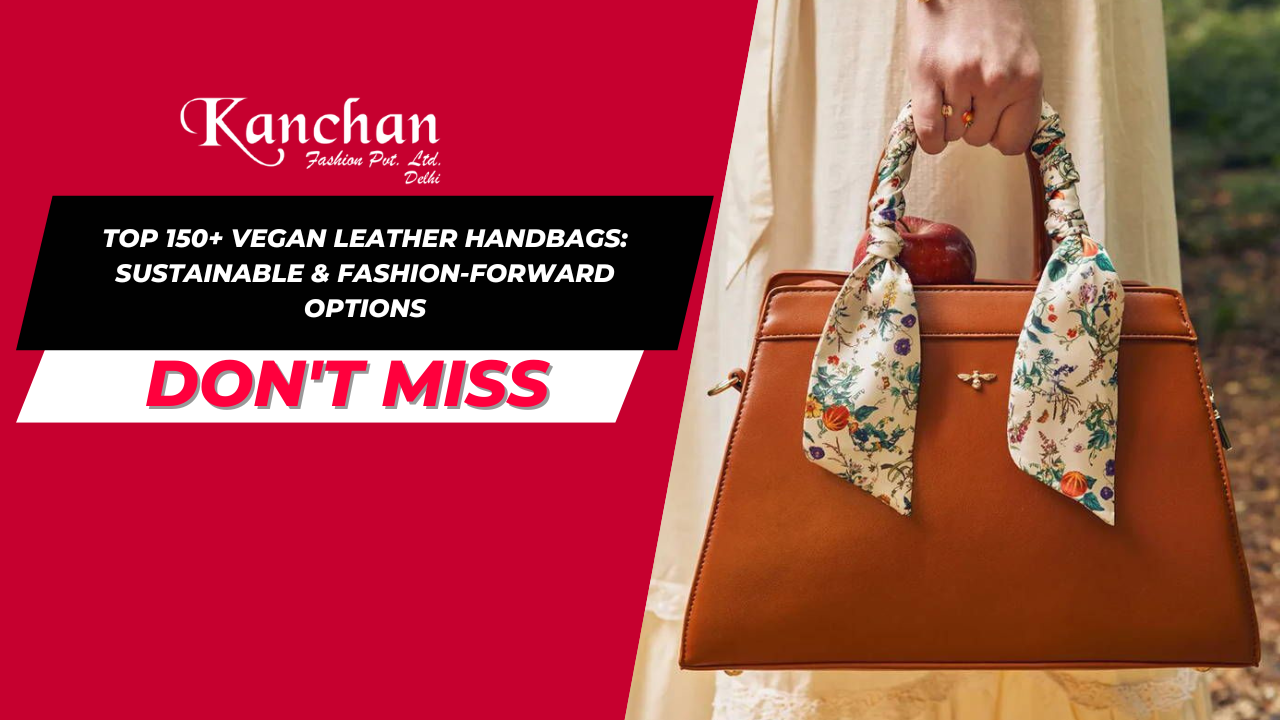

Table of Contents
- Introduction: The Rise of Vegan Leather Handbags
- What is Vegan Leather? Exploring Sustainable Alternatives
- Why Choose Vegan Leather Handbags? Ethical and Environmental Benefits
- The Versatility of Vegan Leather: Styles for Every Occasion
- High-End Vegan Leather Designers: Luxury Without Cruelty
- Affordable Vegan Leather Brands: Style on a Budget
- Caring for Your Vegan Leather Handbag: Longevity and Maintenance
- The Environmental Impact of Traditional Leather Production
- Innovations in Vegan Leather: From Pineapple Leaves to Mushrooms
- Debunking Myths About Vegan Leather: Quality and Durability
- Vegan Leather vs. Faux Leather: Understanding the Nuances
- The Growing Demand for Sustainable Fashion Accessories
- Finding the Perfect Vegan Leather Handbag: Factors to Consider
- The Future of Vegan Leather in the Fashion Industry
- Vegan Leather Handbags: A Style Statement with a Conscience
- Exploring Different Types of Vegan Leather Finishes and Textures
- The Craftsmanship Behind High-Quality Vegan Leather Handbags
- Matching Your Vegan Leather Handbag to Your Personal Style
- The Role of Veganism in the Broader Sustainability Movement
- Where to Buy Vegan Leather Handbags: Online and In-Store Options
- Conclusion: Embracing a Compassionate and Chic Future
- Frequently Asked Questions (FAQ)
Top 150+ Vegan Leather Handbags: Sustainable & Fashion-Forward Options


Introduction: The Rise of Vegan Leather Handbags
In an era where conscious consumerism is no longer a niche trend but a significant driving force, the fashion industry is undergoing a profound transformation. Consumers are increasingly seeking products that not only align with their personal style but also reflect their ethical and environmental values. Among the burgeoning categories within this sustainable shift, vegan leather handbags have emerged as a compelling and stylish alternative to traditional animal-derived leather. Once perceived as a compromise on quality and aesthetics, advancements in material science and design have propelled vegan leather handbags into the forefront of fashion. Today, they represent a powerful intersection of innovation, ethics, and high style, offering a diverse range of options that cater to every taste and occasion. From sleek and sophisticated totes to chic crossbody bags and elegant clutches, the market for vegan leather handbags has exploded, providing consumers with an abundance of choices that are both beautiful and kind to the planet and its inhabitants. This comprehensive guide delves into the world of vegan leather handbags, exploring their composition, benefits, the diverse range of available styles, and the key factors to consider when making a purchase. We will also highlight some of the leading brands and designers championing this movement, and address common misconceptions surrounding these increasingly popular accessories. Prepare to discover a world where fashion and compassion seamlessly intertwine, and where your choice of handbag can be a powerful statement for a more sustainable and ethical future. The sheer variety available today ensures that there is a perfect vegan leather handbag for everyone, regardless of their individual style preferences or budgetary considerations. This guide aims to navigate this exciting landscape, empowering you to make an informed and stylish choice.
1. What is Vegan Leather? Exploring Sustainable Alternatives
Vegan leather, at its core, is a material that mimics the look and feel of traditional animal leather but is crafted entirely from non-animal sources. This broad definition encompasses a wide array of innovative materials, each with its unique composition and manufacturing process. Unlike traditional leather, which is derived from animal hides, vegan leather seeks to provide a cruelty-free alternative without sacrificing style or functionality. The journey of vegan leather has evolved significantly over time. Early iterations often relied on synthetic polymers like polyvinyl chloride (PVC) and polyurethane (PU). While these materials served as a starting point, concerns regarding their environmental impact, particularly the release of harmful chemicals during production and disposal, have spurred the development of more sustainable alternatives. Today, the landscape of vegan leather is rich with innovation, with materials derived from plant-based sources taking center stage. These next-generation vegan leathers are crafted from a diverse range of agricultural waste and natural resources. For instance, Piñatex® utilizes fibers extracted from pineapple leaves, a byproduct of the pineapple harvest, offering a sustainable solution that also provides additional income for farmers. Mylo™, another groundbreaking material, is grown from mycelium, the root structure of mushrooms, resulting in a biodegradable and remarkably leather-like textile. Other innovative sources include apple peels, cactus leaves (such as Desserto®), grape skins and seeds (byproduct of the wine industry), and even recycled plastics. Each of these materials boasts its own unique texture, durability, and aesthetic qualities, showcasing the vast potential of sustainable innovation in the fashion industry. The development of these diverse vegan leather options not only addresses ethical concerns but also contributes to a more circular economy by utilizing waste streams and reducing reliance on resource-intensive animal agriculture. As technology continues to advance, we can expect even more exciting and sustainable vegan leather alternatives to emerge, further solidifying their position as a mainstream and desirable choice for fashion-conscious consumers. Understanding the different types of vegan leather available is crucial for making an informed purchase, as each material offers a unique blend of sustainability, durability, and aesthetic appeal.
2. Why Choose Vegan Leather Handbags? Ethical and Environmental Benefits
The decision to opt for a vegan leather handbag extends far beyond mere aesthetics; it is a conscious choice rooted in profound ethical and environmental considerations. The traditional leather industry has long faced scrutiny for its impact on animal welfare. The process of raising animals for their hides often involves intensive farming practices, which can lead to inhumane living conditions and treatment. By choosing a vegan leather handbag, consumers actively participate in reducing the demand for animal products, thereby supporting a more compassionate approach to fashion. This ethical stance is a primary motivator for many individuals who are committed to a cruelty-free lifestyle and wish to align their purchasing decisions with their values. Beyond the ethical implications, the environmental impact of traditional leather production is also a significant concern. The process involves energy-intensive tanning methods that often utilize harmful chemicals, including chromium, which can contaminate water sources and pose health risks to tannery workers and surrounding communities. Furthermore, the raising of livestock for leather contributes to deforestation, greenhouse gas emissions (including methane, a potent greenhouse gas), and significant water consumption. In contrast, many vegan leather alternatives offer a more sustainable footprint. Plant-based leathers, in particular, often utilize agricultural waste, reducing the need for new resources and minimizing waste. Even synthetic vegan leathers, when produced responsibly, can have a lower environmental impact compared to traditional leather, especially when considering factors like water usage and chemical pollution. The continuous innovation in the vegan leather industry is further driving sustainability efforts, with a growing focus on bio-based and biodegradable materials. Choosing a vegan leather handbag is therefore not just a stylish choice but an environmentally responsible one. It signifies a commitment to reducing your ecological footprint and supporting a more sustainable future for the fashion industry. By embracing vegan leather, consumers can enjoy fashionable accessories without contributing to the ethical and environmental concerns associated with traditional leather production. This conscious decision empowers individuals to make a positive impact through their purchasing power, driving demand for more sustainable and ethical alternatives in the market.
3. The Versatility of Vegan Leather: Styles for Every Occasion
One of the most compelling aspects of vegan leather handbags is their remarkable versatility. Thanks to advancements in material science and design, vegan leather can now be crafted to mimic the look and feel of various types of animal leather, from supple lambskin to textured crocodile and durable cowhide. This adaptability allows for an extensive range of handbag styles to be created in vegan leather, ensuring that there is a perfect option for every occasion and personal preference. For everyday use, spacious and practical tote bags crafted from durable vegan leather are an excellent choice. These bags offer ample room for essentials and can withstand the rigors of daily life, whether you're heading to work, running errands, or meeting friends. Crossbody bags, with their hands-free convenience and stylish appeal, are another popular everyday option, available in a variety of sizes and designs in vegan leather. For more formal occasions, such as evening events or parties, elegant vegan leather clutches and shoulder bags add a touch of sophistication. These smaller bags can be adorned with embellishments or feature sleek, minimalist designs, showcasing the versatility of vegan leather in creating refined aesthetics. The ability of vegan leather to take on different textures and finishes further enhances its versatility. Whether you prefer a smooth, matte finish, a glossy patent look, or an embossed texture, vegan leather can be manipulated to achieve a wide range of visual and tactile effects. This means that you can find vegan leather handbags that perfectly complement your personal style, whether you lean towards classic elegance, modern minimalism, or bold, statement-making pieces. Furthermore, the versatility of vegan leather extends to color options. Vegan leather can be dyed in an endless spectrum of hues, from timeless neutrals to vibrant, on-trend shades, allowing for greater creative expression in handbag design. This ensures that you can find a vegan leather handbag in the perfect color to match your outfit or express your personality. The combination of diverse styles, textures, finishes, and colors makes vegan leather handbags an incredibly versatile accessory that can seamlessly integrate into any wardrobe and elevate any look, proving that style and ethical considerations can go hand in hand.
4. High-End Vegan Leather Designers: Luxury Without Cruelty
The perception of vegan leather as a budget-friendly alternative is rapidly evolving, with a growing number of high-end designers and luxury brands embracing cruelty-free materials. These designers are demonstrating that it is possible to create exquisite, high-quality handbags using vegan leather without compromising on style, craftsmanship, or durability. By incorporating innovative and luxurious vegan leather alternatives into their collections, these brands are catering to a discerning clientele that values both ethical considerations and exceptional design. Stella McCartney is a pioneering figure in the realm of high-end vegan fashion. Her eponymous brand has long championed the use of sustainable and cruelty-free materials, including high-quality vegan leather that rivals the look and feel of traditional animal leather. Stella McCartney's handbags are renowned for their sophisticated designs, impeccable craftsmanship, and commitment to environmental responsibility, setting a benchmark for the luxury vegan market. Other notable high-end designers are also recognizing the growing demand for vegan options and incorporating them into their offerings. Brands like Matt & Nat, known for their sleek and minimalist designs, exclusively use vegan leather and recycled materials, proving that ethical fashion can be both stylish and accessible. Emerging luxury vegan brands are also making a significant impact, focusing on innovative materials and artisanal craftsmanship to create truly exceptional handbags. These brands often prioritize transparency in their supply chains and ethical labor practices, further appealing to conscious consumers. The use of high-quality vegan leather in the luxury sector is a testament to the advancements in material science and the increasing acceptance of cruelty-free alternatives. These materials can now achieve a level of sophistication, durability, and aesthetic appeal that rivals traditional leather, often incorporating innovative textures, finishes, and embellishments. The meticulous attention to detail and craftsmanship in the production of these high-end vegan leather handbags ensures their longevity and timeless appeal. Investing in a luxury vegan leather handbag is not just an ethical choice; it is an investment in a beautifully designed and well-crafted accessory that will stand the test of time. As more high-end designers embrace vegan leather, the stigma once associated with non-animal materials continues to diminish, paving the way for a more compassionate and sustainable future for luxury fashion.
5. Affordable Vegan Leather Brands: Style on a Budget
While the luxury vegan leather market is flourishing, there are also numerous brands offering stylish and high-quality vegan leather handbags at more accessible price points. These brands demonstrate that you don't have to compromise on ethics or aesthetics to find a beautiful and functional handbag that fits your budget. The rise of affordable vegan leather options has made sustainable fashion more inclusive, allowing a wider range of consumers to make conscious choices without breaking the bank. Many contemporary brands have built their entire ethos around providing stylish and affordable vegan accessories. These brands often focus on creating trendy designs that cater to a younger, fashion-conscious audience, proving that sustainability can be both cool and cost-effective. They utilize a variety of vegan leather materials, including high-quality PU and innovative plant-based alternatives, to create handbags that are both durable and visually appealing. Online retailers have also played a significant role in making affordable vegan leather handbags more readily available. Platforms that specialize in vegan and sustainable products often curate a wide selection of brands and styles at various price points, making it easier for consumers to discover ethical alternatives. When shopping for affordable vegan leather handbags, it's important to pay attention to the quality of the materials and the construction of the bag to ensure its longevity. While the price point may be lower than luxury options, well-made affordable vegan leather handbags can still offer excellent durability and style. Reading reviews and researching brands can help you make an informed decision and find a handbag that meets your needs and budget. The availability of affordable vegan leather handbags is a testament to the growing demand for sustainable fashion and the innovation within the industry. These brands are proving that ethical and stylish choices can be accessible to everyone, contributing to a broader movement towards more conscious consumption. By offering a range of designs and price points, these brands are empowering consumers to make a positive impact without sacrificing their personal style or financial considerations. This accessibility is crucial in driving the widespread adoption of vegan leather as a mainstream and desirable alternative to traditional animal leather.
6. Caring for Your Vegan Leather Handbag: Longevity and Maintenance
Proper care and maintenance are essential for prolonging the life and maintaining the appearance of your vegan leather handbag. While vegan leather is generally durable and water-resistant, taking a few simple steps can help ensure its longevity and keep it looking its best for years to come. Regular cleaning is key to preventing dirt and grime from building up on the surface of your vegan leather handbag. For most types of vegan leather, a soft, damp cloth is all you need to gently wipe away any dust or spills. Avoid using harsh chemicals or abrasive cleaners, as these can damage the material's surface and finish. For more stubborn stains, you can try using a mild, diluted soap solution, but be sure to test it on an inconspicuous area first to ensure it doesn't cause discoloration or damage. After cleaning, always wipe the bag down with a clean, dry cloth to remove any excess moisture. While some vegan leathers are water-resistant, it's still best to avoid prolonged exposure to excessive moisture. If your bag does get wet, gently pat it dry with a soft cloth and allow it to air dry completely away from direct heat sources, which can cause the material to crack or become brittle. Proper storage is also crucial for maintaining the shape and condition of your vegan leather handbag. When not in use, store your bag in a dust bag or pillowcase to protect it from dust and scratches. Stuffing the bag with tissue paper or bubble wrap can help it retain its shape, especially for structured styles. Avoid hanging your bag by its straps for extended periods, as this can cause the straps to stretch or weaken over time. Instead, store it flat on a shelf or upright in a dust bag. Different types of vegan leather may have slightly different care requirements. For example, some plant-based leathers may be more delicate than synthetic options. Always refer to the manufacturer's care instructions for specific guidance on how to clean and maintain your particular handbag. By following these simple care tips, you can ensure that your vegan leather handbag remains a stylish and durable accessory for years to come, further reinforcing the sustainability aspect of choosing a cruelty-free alternative. Investing a little time in proper maintenance will not only keep your bag looking its best but also extend its lifespan, reducing the need for frequent replacements and contributing to a more sustainable consumption cycle.
7. The Environmental Impact of Traditional Leather Production
The traditional leather industry carries a significant environmental footprint, raising concerns about its sustainability and long-term impact on the planet. From the raising of livestock to the tanning and finishing processes, each stage of leather production contributes to a range of environmental issues. Animal agriculture, the foundation of the traditional leather industry, is a major contributor to greenhouse gas emissions, particularly methane produced by cattle. It also drives deforestation as land is cleared for grazing and the cultivation of feed crops, leading to habitat loss and biodiversity decline. The large-scale water consumption associated with raising livestock and processing hides further strains water resources, especially in regions already facing water scarcity. The tanning process, which converts raw animal hides into durable leather, often involves the use of harmful chemicals, including chromium. Improper disposal of these chemicals can lead to water and soil contamination, posing risks to human health and ecosystems. While some tanneries employ more sustainable practices, the industry as a whole has a history of environmental pollution. Furthermore, the energy consumption associated with the various stages of leather production, from farming to transportation and processing, contributes to carbon emissions. The waste generated during the leather-making process, including animal waste and chemical byproducts, also presents disposal challenges. In contrast, many vegan leather alternatives offer a more environmentally friendly approach. Plant-based leathers, for instance, often utilize agricultural waste or require fewer resources to produce compared to raising livestock. While the production of synthetic vegan leathers like PU and PVC has its own environmental considerations, advancements in manufacturing processes and the development of bio-based polymers are leading to more sustainable options. Recycled materials are also being increasingly used in vegan leather production, further reducing the reliance on virgin resources and minimizing waste. Choosing vegan leather over traditional leather can therefore be a more environmentally responsible decision, helping to mitigate the negative impacts associated with animal agriculture and conventional tanning methods. By supporting the growth of the vegan leather industry, consumers can contribute to a shift towards more sustainable and ethical practices in the fashion world. Understanding the environmental implications of traditional leather production highlights the importance of exploring and embracing innovative and eco-friendly alternatives like vegan leather.
8. Innovations in Vegan Leather: From Pineapple Leaves to Mushrooms
The field of vegan leather is a hotbed of innovation, with scientists, designers, and entrepreneurs constantly exploring new and sustainable alternatives to animal-derived leather. This has led to the development of a fascinating array of materials derived from unexpected sources, each with its unique properties and environmental benefits. One of the most groundbreaking innovations is Piñatex®, a natural textile made from pineapple leaf fibers. These fibers are a byproduct of the pineapple harvest, requiring no additional land, water, or pesticides to produce. Piñatex offers a durable and versatile material that can be used in a variety of applications, including handbags, shoes, and clothing. Another exciting development is Mylo™, a material grown from mycelium, the root structure of mushrooms. This innovative process involves cultivating mycelium in a controlled environment, resulting in a biodegradable and remarkably leather-like material with a soft and supple texture. Mylo represents a significant step towards creating truly sustainable and bio-based alternatives to traditional leather. Desserto®, made from cactus leaves, is another promising innovation. This material is produced using sustainably harvested cactus, requiring minimal water and energy. Desserto boasts a luxurious feel and durability, making it suitable for high-fashion applications. The wine industry is also contributing to the vegan leather revolution with materials made from grape skins and seeds, byproducts of winemaking. These materials offer a unique texture and a sustainable way to utilize agricultural waste. Apple peels are another source of innovative vegan leather. By processing the waste from apple juice production, a leather-like material can be created, further reducing food waste and providing a sustainable alternative. Beyond these plant-based innovations, advancements are also being made in the realm of synthetic vegan leathers. Researchers are exploring bio-based polymers derived from renewable resources, as well as developing more environmentally friendly production processes for existing synthetic materials like PU. The focus is on reducing the reliance on fossil fuels and minimizing the use of harmful chemicals. These innovations in vegan leather are not just about finding alternatives to animal products; they represent a fundamental shift towards a more circular and sustainable fashion industry. By utilizing waste streams, minimizing resource consumption, and developing biodegradable materials, these new forms of vegan leather have the potential to significantly reduce the environmental impact of our accessories. The continuous exploration and development of these innovative materials promise an exciting future for vegan leather handbags, offering consumers an ever-expanding range of stylish, durable, and environmentally responsible choices. As these technologies mature and scale, we can expect to see even more diverse and high-performance vegan leather options entering the market, further solidifying their position as a mainstream and desirable alternative to traditional leather. The ingenuity and dedication of researchers and designers in this field are paving the way for a fashion industry that is both ethical and environmentally conscious.
9. Debunking Myths About Vegan Leather: Quality and Durability
Despite the significant advancements in vegan leather technology, several misconceptions regarding its quality and durability persist. It's important to address these myths to provide a clearer understanding of the capabilities and benefits of modern vegan leather handbags. One common misconception is that vegan leather is inherently inferior in quality to traditional animal leather. While early versions of synthetic leather may have lacked the durability and luxurious feel of genuine leather, this is no longer the case. Today, high-quality vegan leathers, particularly those made from advanced PU or innovative plant-based materials, can be incredibly durable, water-resistant, and resistant to scratches and stains. Many high-end vegan leather handbags are crafted with meticulous attention to detail and can withstand the rigors of daily use for years. Another myth is that vegan leather lacks the aesthetic appeal of traditional leather. Again, advancements in material science have allowed vegan leather to mimic the look and feel of various types of animal leather with remarkable accuracy. It can be produced in a wide range of textures, finishes, and colors, offering a diverse array of stylish options that can rival the beauty of genuine leather. In fact, some designers prefer working with vegan leather for its consistency and the ability to achieve specific aesthetic effects. A further misconception is that vegan leather is not a sustainable option. While some early synthetic leathers raised environmental concerns, the current landscape of vegan leather includes numerous sustainable alternatives. Plant-based leathers utilize agricultural waste or require fewer resources than raising livestock, and the development of bio-based polymers is further enhancing the sustainability of synthetic options. Choosing a vegan leather handbag made from sustainable materials can be a more environmentally conscious choice than opting for traditional leather. It's crucial to distinguish between different types of vegan leather. Just as there are variations in the quality of animal leather, there are also differences in the quality and durability of vegan leather. Opting for reputable brands that prioritize high-quality materials and ethical production practices will ensure that you invest in a vegan leather handbag that is both stylish and long-lasting. By understanding the advancements in vegan leather technology and debunking these common myths, consumers can make informed decisions and appreciate the true potential of these sustainable and fashionable accessories. Modern vegan leather handbags offer a compelling combination of ethical considerations, environmental benefits, and exceptional quality and style.
10. Vegan Leather vs. Faux Leather: Understanding the Nuances
The terms "vegan leather" and "faux leather" are often used interchangeably, but there are subtle nuances in their meaning and implications, particularly in the context of sustainability and quality. Understanding these distinctions can help consumers make more informed choices when purchasing non-animal leather handbags. Faux leather is a broad term that simply refers to any material that looks and feels like leather but is not derived from animal hides. This category historically included materials like PVC (polyvinyl chloride) and PU (polyurethane). While these materials are indeed vegan as they do not involve animals, they have often been associated with lower quality and environmental concerns. PVC, in particular, has been criticized for its use of chlorine and phthalates, which can be harmful during production and disposal. Polyurethane (PU) is generally considered a more environmentally friendly alternative to PVC, as it doesn't require phthalates and can be produced with fewer harmful chemicals. Vegan leather, while technically falling under the umbrella of faux leather, often implies a greater emphasis on sustainability and ethical sourcing. The term is increasingly used to describe newer, more innovative materials derived from plant-based sources such as pineapple leaves (Piñatex), mushrooms (Mylo), cactus (Desserto), apple peels, and grape skins. These materials are often produced using more environmentally friendly processes and can have a lower carbon footprint compared to both traditional leather and some synthetic faux leathers. Furthermore, the term "vegan leather" is often associated with higher quality and durability compared to older generations of faux leather. Brands that market their products as "vegan leather" often prioritize the use of premium materials and ethical manufacturing practices. Therefore, while all vegan leather is faux leather, not all faux leather is necessarily vegan leather in the modern, sustainability-focused sense. When shopping for a non-animal leather handbag, it's beneficial to look beyond the general term "faux leather" and inquire about the specific materials used. Understanding whether the bag is made from PU, recycled materials, or innovative plant-based leather will provide a clearer picture of its quality, durability, and environmental impact. Brands that are transparent about their materials and production processes are often a good choice for consumers seeking ethical and sustainable options. The distinction between vegan leather and faux leather highlights the evolution of non-animal leather alternatives and the growing importance of sustainability in the fashion industry.
11. The Growing Demand for Sustainable Fashion Accessories
The fashion industry is witnessing a significant shift in consumer preferences, with a rapidly growing demand for sustainable and ethically produced goods, including accessories like handbags. This increasing awareness is driven by a greater understanding of the environmental and social impact of traditional fashion practices. Consumers are becoming more conscious of issues such as animal welfare, pollution, resource depletion, and labor conditions, and they are actively seeking out brands that align with their values. The rise of social media and increased transparency in supply chains have empowered consumers with more information about the origins and production of their purchases. This has led to a greater scrutiny of brands and a growing preference for those that demonstrate a commitment to sustainability and ethical practices. Vegan leather handbags are a direct beneficiary of this growing demand for sustainable fashion accessories. As consumers seek alternatives to animal leather, vegan leather offers a cruelty-free option that, in many cases, also boasts a lower environmental impact. The innovations in plant-based and recycled vegan leathers further enhance their appeal to environmentally conscious consumers. The demand for sustainable fashion is not just a niche trend; it is becoming increasingly mainstream, influencing the strategies of both established luxury brands and emerging independent designers. Many brands are now incorporating sustainable materials and ethical production practices into their core values and product offerings to cater to this growing market segment. This shift is evident in the increasing availability of vegan leather handbags across various price points and styles. From high-end designers embracing innovative vegan materials to affordable brands prioritizing ethical sourcing, the market is responding to the consumer desire for stylish and sustainable accessories. The growing demand for sustainable fashion accessories is a positive development that is driving innovation within the industry and encouraging more responsible practices. By choosing vegan leather handbags and other sustainable alternatives, consumers are sending a powerful message to the fashion industry, signaling their preference for products that are both beautiful and kind to the planet and its inhabitants. This collective demand has the potential to create a more ethical and environmentally conscious future for fashion.
12. Finding the Perfect Vegan Leather Handbag: Factors to Consider
With the vast array of vegan leather handbags available today, finding the perfect one requires careful consideration of several factors beyond just aesthetics. To ensure you choose a handbag that meets your needs, reflects your style, and aligns with your values, consider the following:
- Material Quality: As discussed earlier, not all vegan leathers are created equal. Research the specific material used. Is it a high-quality PU, a durable plant-based leather like Piñatex or Desserto, or a recycled material? Look for information about its durability, water resistance, and how it ages. Reading reviews can provide valuable insights into the real-world performance of the material.
- Style and Functionality: Consider how and where you will primarily use the handbag. Do you need a spacious tote for work, a chic crossbody for everyday errands, or an elegant clutch for evening events? Ensure the style and size meet your functional requirements. Pay attention to features like the number of compartments, pockets, and the type of closure.
- Brand Ethics and Transparency: If sustainability and ethical production are important to you, research the brand's values and practices. Do they prioritize fair labor, use eco-friendly dyes and processes, and are they transparent about their supply chain? Look for certifications or statements about their commitment to sustainability.
- Durability and Construction: Examine the craftsmanship of the handbag. Are the seams well-stitched? Are the hardware (zippers, clasps, buckles) sturdy and well-attached? A well-constructed bag, even in vegan leather, will last longer.
- Price Point: Vegan leather handbags are available across a wide range of price points. Determine your budget and then explore options within that range. Remember that a higher price doesn't always guarantee better quality or sustainability, so research is key.
- Care and Maintenance: Consider the care requirements of the specific vegan leather material. Some may require more specialized cleaning or conditioning than others. Ensure you are comfortable with the level of maintenance needed to keep your handbag in good condition.
- Color and Design: Choose a color and design that complements your personal style and wardrobe. Consider whether you prefer classic neutrals that will remain timeless or more trendy colors and patterns.
- Reviews and Reputation: Before making a purchase, read reviews from other customers. This can provide valuable feedback on the quality, durability, and overall satisfaction with the handbag and the brand.
- Return Policy: Check the retailer's return policy in case the handbag doesn't meet your expectations once you receive it.
- Certifications: Look for certifications from recognized organizations that verify the sustainability or ethical sourcing of the materials or the brand's practices.
By carefully considering these factors, you can find the perfect vegan leather handbag that not only looks great but also aligns with your values and meets your practical needs.
13. The Future of Vegan Leather in the Fashion Industry
The future of vegan leather in the fashion industry looks incredibly promising, driven by ongoing innovation, increasing consumer demand for sustainable alternatives, and a growing awareness of the environmental and ethical implications of traditional leather production. We can expect to see even more exciting advancements in the development of plant-based leathers. Researchers are continually exploring new agricultural waste products and natural resources that can be transformed into durable and aesthetically pleasing materials. This will likely lead to a wider variety of textures, finishes, and performance characteristics in vegan leather. Biotechnology is also poised to play a significant role in the future of vegan leather. Companies are experimenting with lab-grown leather, which involves cultivating animal cells in a controlled environment to produce leather without the need for animal slaughter or the environmental impact of traditional farming. While still in its early stages, lab-grown leather holds immense potential as a truly sustainable alternative. The production processes for existing vegan leathers are also becoming more environmentally friendly. There is a growing focus on reducing the use of harmful chemicals, conserving water and energy, and developing closed-loop systems that minimize waste. The use of recycled and upcycled materials in vegan leather production is also expected to increase, contributing to a more circular economy. As consumer awareness continues to grow, the demand for transparent and ethical supply chains will further shape the future of the vegan leather industry. Brands will be under increasing pressure to disclose the origins of their materials and the environmental and social impact of their production processes. Collaborations between designers, material scientists, and sustainability experts will be crucial in driving innovation and scaling up the production of high-quality, sustainable vegan leather. We can anticipate seeing vegan leather become even more mainstream, with more luxury brands and major retailers incorporating it into their collections. The stigma once associated with non-animal leather is rapidly diminishing, and vegan leather is increasingly being recognized for its style, durability, and ethical advantages. The future of vegan leather is not just about finding alternatives to animal leather; it's about creating a more sustainable, ethical, and innovative fashion industry that benefits both people and the planet. The continued investment in research and development, coupled with growing consumer demand, suggests a bright and transformative future for vegan leather.
14. Vegan Leather Handbags: A Style Statement with a Conscience
Choosing a vegan leather handbag is more than just a fashion decision; it's a style statement that reflects a conscious choice to align your values with your purchases. In a world increasingly aware of the ethical and environmental impact of consumerism, opting for a vegan leather handbag allows you to express your personal style while also making a positive contribution to a more sustainable and compassionate future. By choosing cruelty-free materials, you are actively participating in reducing the demand for animal products and supporting a fashion industry that prioritizes animal welfare. This ethical stance resonates with a growing number of consumers who believe that fashion should not come at the expense of animal lives. Furthermore, selecting a vegan leather handbag often means choosing a product with a lower environmental footprint compared to traditional leather. The innovations in plant-based and recycled vegan leathers offer more sustainable alternatives that minimize resource consumption, reduce waste, and avoid the harmful chemicals associated with conventional tanning processes. This environmental consciousness allows you to make a style statement that is also kind to the planet. The versatility and aesthetic appeal of modern vegan leather handbags ensure that you don't have to compromise on style to make a conscious choice. With a wide range of designs, textures, and colors available, you can find a vegan leather handbag that perfectly complements your personal style, whether you prefer classic elegance, contemporary chic, or bold, statement-making pieces. The increasing acceptance and desirability of vegan leather in the fashion world demonstrate that ethical and sustainable choices can be both fashionable and aspirational. Carrying a vegan leather handbag can be a subtle yet powerful way to communicate your values and inspire others to consider more sustainable alternatives. It signifies that you are part of a growing movement that believes in a more responsible and compassionate approach to fashion. Ultimately, a vegan leather handbag is a style statement with a conscience. It allows you to express your individuality and your commitment to a better world, proving that fashion and ethics can go hand in hand. By making this conscious choice, you are not just carrying a bag; you are carrying a message of compassion and sustainability.
15. Exploring Different Types of Vegan Leather Finishes and Textures
One of the remarkable aspects of modern vegan leather is the vast array of finishes and textures that can be achieved, allowing for a diverse range of aesthetic styles. This versatility ensures that there is a vegan leather handbag to suit every taste and occasion.
- Smooth Matte Finish: This classic finish offers a sophisticated and understated look, often mimicking the appearance of fine calfskin leather. It is versatile and suitable for both everyday and formal occasions.
- Pebbled Texture: This textured finish features small, raised bumps, providing a more casual and durable feel. Pebbled vegan leather is often resistant to scratches and scuffs, making it a practical choice for everyday use.
- Saffiano Finish: Characterized by a distinctive diagonal pattern pressed into the material, Saffiano vegan leather is known for its durability and resistance to stains and water. It offers a structured and polished look, popular for work bags and more formal styles.
- Patent Finish: This glossy, high-shine finish adds a touch of glamour and sophistication. Patent vegan leather is often used for evening bags and statement pieces.
- Embossed Textures: Vegan leather can be embossed with various patterns, such as crocodile, snake, or ostrich, to create exotic and luxurious looks without harming animals. The quality of the embossing can vary, so look for well-defined and realistic patterns.
- Suede-like Finish: Some vegan leathers are crafted to mimic the soft, napped texture of suede. These materials can add a touch of luxury and warmth to handbags, although they may require more careful maintenance.
- Metallic Finishes: For a bold and eye-catching look, vegan leather handbags are available in various metallic finishes, such as gold, silver, and rose gold. These are perfect for adding a touch of glamour to evening or special occasion outfits.
- Distressed Finish: This finish gives the vegan leather a vintage or worn-in appearance, often featuring variations in color and texture. Distressed vegan leather is popular for more casual and bohemian styles.
- Woven Textures: Some vegan leather handbags feature intricate woven patterns, adding visual interest and a unique tactile experience.
- Perforated Details: Small perforations can be added to vegan leather for a subtle textural element and a modern aesthetic.
The ability to create such a wide range of finishes and textures highlights the versatility and innovation within the vegan leather industry. Designers can manipulate the materials to achieve specific aesthetic goals, ensuring that consumers have access to a diverse selection of stylish and ethically produced handbags. When choosing a vegan leather handbag, consider the finish and texture that best suits your personal style and the occasions for which you will be using the bag.
16. The Craftsmanship Behind High-Quality Vegan Leather Handbags
While the material itself is crucial, the craftsmanship involved in creating a vegan leather handbag significantly impacts its quality, durability, and overall aesthetic appeal. High-quality vegan leather handbags are not simply mass-produced; they often involve skilled artisans who pay meticulous attention to detail in every step of the process. Just like traditional leather goods, the cutting of the vegan leather components requires precision to ensure that the different pieces fit together perfectly. Skilled cutters carefully follow patterns to maximize material usage and minimize waste. Stitching is another critical aspect of craftsmanship. Strong, even stitches not only hold the bag together securely but also contribute to its overall aesthetic. High-quality vegan leather handbags often feature reinforced stitching in stress points for added durability. The construction of the bag's structure, including the base, sides, and any internal supports, requires expertise to ensure that the handbag maintains its shape and can withstand regular use. Attention to detail in the finishing touches is also essential. This includes the precise application of edge paint, the secure attachment of hardware (zippers, clasps, buckles, and handles), and the neat finishing of interior linings and pockets. The quality of the hardware itself is also important; durable and well-functioning hardware can significantly enhance the longevity and usability of the bag. Many high-quality vegan leather handbag brands prioritize ethical labor practices and work with skilled artisans who are paid fair wages and work in safe conditions. This commitment to ethical production is an integral part of the overall value proposition of sustainable and conscious fashion. Investing in a well-crafted vegan leather handbag means supporting skilled craftsmanship and ensuring that you own a durable and beautiful accessory that will last for years to come. The attention to detail and the expertise of the artisans involved are evident in the final product, showcasing that vegan leather handbags can be just as luxurious and well-made as their traditional counterparts. When evaluating a vegan leather handbag, pay close attention to the quality of the stitching, the sturdiness of the construction, and the finishing details to ensure you are investing in a piece that is built to last.
**17. Matching Your Vegan Leather Handbag to Your Personal Style
Your handbag is not just a functional accessory; it's an extension of your personal style and a key element in completing your overall look. A vegan leather handbag, with its diverse range of styles, colors, and textures, offers endless possibilities for expressing your individuality. Here's how to choose a vegan leather handbag that perfectly complements your personal style:
- Assess Your Wardrobe: Take a look at the dominant colors, silhouettes, and overall aesthetic of your existing clothing. Do you tend towards classic neutrals, bold colors, or subtle pastels? Do you favor structured pieces or more relaxed, bohemian styles? Your handbag should ideally complement the majority of your wardrobe.
- Consider Your Lifestyle: Think about your daily activities and the occasions for which you'll primarily use the bag. If you're a busy professional, a structured tote or a sophisticated satchel in a neutral color might be a practical and stylish choice. If you're often on the go, a comfortable crossbody bag leaves your hands free. For evening events, a sleek clutch or a chain-strap shoulder bag adds a touch of elegance.
-
Identify Your Style Personality:
- Classic: If your style is timeless and elegant, opt for a structured vegan leather handbag in a neutral color like black, brown, navy, or beige. Look for clean lines and minimal hardware. A classic tote, a structured satchel, or a simple flap bag would be ideal.
- Modern/Minimalist: For a sleek and contemporary look, choose a vegan leather handbag with clean lines, geometric shapes, and minimal embellishments. Black, white, gray, and other neutral tones work well. Consider a minimalist tote, a structured crossbody, or a sleek backpack.
- Bohemian/Eclectic: If you embrace a more relaxed and individualistic style, look for vegan leather handbags with unique textures, interesting details like tassels or fringe, or in earthy tones and rich jewel hues. A hobo bag, a crossbody with intricate detailing, or a vintage-inspired style could be a great fit.
- Romantic/Feminine: For a softer and more delicate aesthetic, consider vegan leather handbags in pastel shades with floral details or in softer shapes like a rounded shoulder bag or a delicate top-handle bag.
- Bold/Edgy: If you like to make a statement, opt for vegan leather handbags in vibrant colors, with bold hardware, or in unique textures like patent or embossed animal prints. A structured bag in a striking color or a chain-embellished style can add an edgy touch.
- Play with Color and Texture: Don't be afraid to experiment with different colors and textures to add interest to your outfits. A pop of color in your handbag can elevate a neutral ensemble, while textured vegan leather can add depth and visual appeal.
- Consider Size and Proportion: The size of your handbag should be in proportion to your body frame and the overall look you're trying to achieve. A large tote might overwhelm a petite frame, while a tiny clutch might look out of place with a casual daytime outfit.
- Think About Versatility: If you want a handbag that can transition easily from day to night or from casual to more dressed-up occasions, opt for a versatile style in a neutral color with minimal embellishments. A convertible crossbody or a mid-sized shoulder bag can often fit the bill.
- Don't Be Afraid to Experiment: While it's important to consider your existing wardrobe and lifestyle, don't be afraid to step outside your comfort zone and try new styles or colors that catch your eye. Your handbag can be a fun way to express your personality and add a unique touch to your look.
Ultimately, the best vegan leather handbag for you is one that you love, that meets your practical needs, and that makes you feel confident and stylish. By considering these factors, you can find a vegan leather handbag that not only complements your personal style but also aligns with your ethical values.
18. The Role of Veganism in the Broader Sustainability Movement
Veganism, at its core, is an ethical philosophy and lifestyle that seeks to exclude all forms of exploitation of and cruelty to animals for food, clothing, or any other purpose. While often associated primarily with dietary choices, its principles extend to all aspects of consumption, including fashion. The growing adoption of veganism plays a significant role in the broader sustainability movement by addressing several key environmental and ethical concerns.
- Reducing Animal Agriculture's Impact: Animal agriculture is a major contributor to greenhouse gas emissions, deforestation, water pollution, and land degradation. By choosing vegan alternatives, including vegan leather, individuals can significantly reduce their contribution to these environmental problems. The demand for vegan products helps to decrease the economic incentives for environmentally damaging animal farming practices.
- Promoting Animal Welfare: Veganism directly addresses the ethical concerns surrounding the treatment of animals in the fashion industry. Traditional leather production often involves intensive farming, inhumane slaughter practices, and the use of harmful chemicals that can also affect the health of tannery workers. Opting for vegan leather supports a cruelty-free approach to fashion.
- Encouraging Innovation in Sustainable Materials: The increasing demand for vegan alternatives has spurred innovation in the development of sustainable materials like plant-based leathers and recycled textiles. This drive for cruelty-free options has led to the creation of environmentally friendly alternatives that can further contribute to a more sustainable fashion industry.
- Raising Awareness About Conscious Consumption: The adoption of veganism often goes hand in hand with a broader awareness of conscious consumption. Individuals who choose vegan leather are more likely to consider the ethical and environmental implications of their other purchasing decisions as well, leading to a more holistic approach to sustainability.
- Supporting a Circular Economy: Many vegan leather alternatives, particularly those made from recycled materials or agricultural waste, contribute to a more circular economy by reducing reliance on virgin resources and minimizing waste. This aligns with the broader goals of sustainability, which aim to create a closed-loop system where resources are used more efficiently.
- Challenging Traditional Norms: The rise of veganism in fashion challenges the traditional reliance on animal products and encourages the industry to explore more innovative and sustainable solutions. This can lead to broader changes in material sourcing and production practices that benefit both animals and the environment.
In conclusion, veganism is not just a dietary choice but a powerful force within the broader sustainability movement. By extending its ethical principles to fashion, it drives demand for cruelty-free and often more environmentally friendly alternatives like vegan leather, contributing to a more sustainable and compassionate future for the industry. The growing acceptance of veganism in mainstream culture further amplifies its impact, encouraging more individuals and brands to embrace ethical and sustainable practices.
19. Where to Buy Vegan Leather Handbags: Online and In-Store Options
The increasing popularity of vegan leather handbags has made them widely accessible through various online and in-store retailers. Whether you prefer the convenience of online shopping or the tactile experience of browsing in person, you'll find a plethora of options to choose from.
Online Retailers:
- Dedicated Vegan Marketplaces: Websites that specialize in vegan and sustainable products often curate a wide selection of vegan leather handbags from various brands. These platforms are a great resource for discovering ethical and eco-friendly options. Examples include online marketplaces focused on sustainable living.
- Brand Websites: Many vegan leather handbag brands have their own e-commerce websites where you can explore their full collections and often find exclusive styles or discounts. Shopping directly from the brand can also provide more information about their ethics and sustainability practices.
- Large Online Retailers: Major e-commerce platforms like Amazon, ASOS, and others now carry a significant selection of vegan leather handbags from various brands, ranging from affordable to high-end. These platforms offer convenience and often competitive pricing.
- Department Store Websites: Many traditional department stores have expanded their online offerings to include vegan leather handbags, catering to the growing demand for cruelty-free alternatives.
- Consignment and Resale Platforms: Websites that focus on pre-owned luxury goods are also starting to feature vegan leather handbags, offering a more sustainable way to shop for designer items.
In-store options:
- Vegan Specialty Stores: In some cities, you can find brick-and-mortar stores that exclusively sell vegan products, including handbags. These stores often have knowledgeable staff who can provide detailed information about the materials and brands they carry.
- Department Stores: Many department stores now have dedicated sections or carry specific brands that offer vegan leather handbags alongside their traditional leather goods.
- Boutiques and Independent Retailers: Smaller boutiques and independent retailers are increasingly stocking vegan leather handbags from niche and emerging designers who prioritize sustainability and ethical production.
- Brand Showrooms and Flagship Stores: Brands that specialize in vegan leather handbags may have their own showrooms or flagship stores where you can experience their products in person.
- Farmers' Markets and Craft Fairs: Occasionally, you might find independent artisans selling their handmade vegan leather handbags at local markets and fairs.
Tips for Buying Vegan Leather Handbags:
- Read Product Descriptions Carefully: Pay close attention to the materials used, the dimensions, and any specific features of the handbag.
- Check Brand Ethics and Sustainability Practices: If these are important to you, research the brand's website and look for information about their values and production processes.
- Read Customer Reviews: See what other buyers have to say about the quality, durability, and style of the handbag.
- Compare Prices: Shop around to ensure you're getting the best value for your money.
- Review Return Policies: Make sure you understand the retailer's return policy before making a purchase.
With the wide availability of vegan leather handbags both online and in-store, finding the perfect sustainable and fashion-forward option has never been easier.
20. Conclusion: Embracing a Compassionate and Chic Future
The world of vegan leather handbags has evolved dramatically, transforming from a niche market into a mainstream fashion phenomenon. No longer a compromise, vegan leather now stands as a testament to innovation, ethical consciousness, and undeniable style. The sheer variety of materials, from sustainable plant-based alternatives to high-quality synthetics, ensures that there is a vegan leather handbag to suit every taste, occasion, and budget.
By choosing a vegan leather handbag, you are making a powerful statement. You are aligning your purchasing decisions with your values, supporting animal welfare, and often contributing to a more sustainable future for the fashion industry. The advancements in material science and design have debunked the myths surrounding vegan leather, proving that it can be just as durable, luxurious, and aesthetically appealing as traditional animal leather.
The growing demand for vegan leather handbags is a clear indication of a broader shift in consumer consciousness. People are increasingly seeking products that reflect their commitment to ethical and environmental responsibility. This demand is driving innovation, encouraging more designers and brands to embrace cruelty-free alternatives, and paving the way for a more compassionate and chic future of fashion.
Whether you are drawn to the sleek sophistication of a high-end vegan designer, the accessible style of an affordable brand, or the innovative materials of a sustainability-focused label, the world of vegan leather handbags offers a wealth of stylish and guilt-free options. By embracing these fashion-forward alternatives, you can make a positive impact without sacrificing your personal style. The future of fashion is undoubtedly intertwined with sustainability and ethical considerations, and vegan leather handbags are at the forefront of this exciting and necessary evolution. Choose consciously, choose ethically, and step out in style with a vegan leather handbag that reflects both your values and your impeccable taste.
21. Frequently Asked Questions (FAQ)
Q1: Is vegan leather as durable as real leather?
A: The durability of vegan leather can vary depending on the type and quality of the material used. High-quality vegan leathers, particularly those made from advanced polyurethane (PU) or innovative plant-based materials like Piñatex or Desserto, can be very durable and resistant to scratches, stains, and water. They can often withstand daily wear and tear just as well as, or even better than, some types of animal leather. However, lower-quality vinyl-based vegan leathers may not be as durable. It's essential to research the specific material and brand when considering the durability of a vegan leather handbag. Opting for reputable brands that prioritize quality materials and construction will ensure a longer-lasting product. Proper care and maintenance, as with any handbag, will also contribute to its longevity.
Q2: Is vegan leather more sustainable than real leather?
A: In many cases, yes, vegan leather can be a more sustainable alternative to traditional animal leather. The production of animal leather involves significant environmental impacts, including greenhouse gas emissions from livestock farming, deforestation for grazing land, high water consumption, and the use of harmful chemicals in the tanning process. Many vegan leather alternatives, especially those made from plant-based materials or recycled content, have a lower environmental footprint. They often utilize agricultural waste, require less water and energy to produce, and avoid the ethical concerns associated with animal agriculture. However, the sustainability of vegan leather also depends on the specific materials and manufacturing processes used. Some synthetic vegan leathers, like PVC, have environmental concerns related to their production and disposal. The ongoing innovation in bio-based and recycled vegan leathers is continuously improving their sustainability credentials.
Q3: Does vegan leather look and feel cheap?
A: The quality and appearance of vegan leather have improved dramatically over the years. Modern high-quality vegan leathers can closely mimic the look and feel of various types of animal leather, from supple and smooth to textured and luxurious. Advancements in material science allow for a wide range of finishes, colors, and textures that can be virtually indistinguishable from genuine leather to the untrained eye. While older or lower-quality synthetic leathers might have a plasticky or cheap feel, premium vegan leathers, especially those used by high-end designers, offer a sophisticated and high-quality aesthetic. The craftsmanship of the handbag also plays a significant role in its overall appearance and feel. Well-constructed vegan leather handbags with attention to detail can look and feel just as luxurious as their animal leather counterparts.
Q4: How do I care for a vegan leather handbag?
A: Caring for a vegan leather handbag is generally quite simple. For most types of vegan leather, you can wipe it clean with a soft, damp cloth. For more stubborn stains, use a mild, diluted soap solution, testing it on an inconspicuous area first. Avoid using harsh chemicals or abrasive cleaners. After cleaning, wipe the bag dry with a clean cloth and allow it to air dry away from direct heat. To maintain its shape, store your handbag in a dust bag and stuff it with tissue paper when not in use. Avoid prolonged exposure to excessive moisture. Some plant-based vegan leathers may have specific care instructions provided by the manufacturer, so it's always best to refer to those guidelines. Regular gentle cleaning and proper storage will help prolong the life and maintain the appearance of your vegan leather handbag.
Q5: Are vegan leather handbags more affordable than real leather handbags?
A: The price of both vegan leather and real leather handbags can vary greatly depending on factors such as brand, design, size, and the quality of materials and craftsmanship. Generally, vegan leather handbags can be more affordable than high-end designer real leather handbags. However, there are also premium vegan leather brands that offer handbags at similar or even higher price points due to the quality of the innovative materials used and the ethical production practices. Conversely, you can find both affordable and expensive options within the real leather market as well. Therefore, price is not always an indicator of whether a handbag is made from vegan or real leather. It's important to consider the quality of the materials, the craftsmanship, and the brand's reputation when evaluating the price of any handbag.