The History of Pastel Colors in Indian Textiles
Table of Contents
1. Introduction
1.1 The Significance of Pastel Colors in Indian Textiles
2. Origins of Pastel Colors in Indian Textiles
2.1 Influence of Mughal Era
2.2 Traditional Dyeing Techniques
3. Evolution of Pastel Colors in Indian Textiles
3.1 Revival of Pastel Hues
3.2 Modern Interpretations
4. Popular Pastel Colors in Indian Textiles
4.1 Soft Pink
4.2 Muted Yellow
4.3 Pale Blue
5. Pastel Colors in Different States of India
5.1 Rajasthan
5.2 West Bengal
5.3 Tamil Nadu
6. Significance of Pastel Colors in Indian Culture
6.1 Festivals and Celebrations
6.2 Weddings and Special Occasions
7. Influences on Global Fashion
7.1 Bollywood and Celebrities
7.2 Runway Trends
8. Sustainability Practices in Pastel Dyeing
8.1 Natural Dyeing Techniques
8.2 Eco-Friendly Fashion Brands
9. The Popularity of Pastel Sarees
9.1 Kanchan Sarees: The Best Saree Store
9.2 Reasons to Choose Pastel Sarees
10. Conclusion
1. Introduction
1.1 The Significance of Pastel Colors in Indian Textiles
Pastel colors have always held a special place in Indian textiles, representing elegance, femininity, and tradition. From soft pinks to pale blues, these subtle hues have been used in sarees, suits, and other traditional garments for centuries. In this article, we will explore the history of pastel colors in Indian textiles, their origins, evolution, and significance in Indian culture.
2. Origins of Pastel Colors in Indian Textiles
2.1 Influence of Mughal Era
During the Mughal era, pastel colors became popular in Indian textiles due to the influence of Persian and Central Asian styles. The use of natural dyes such as indigo, madder root, and turmeric created a soft palette that was favored by royalty and elites.
2.2 Traditional Dyeing Techniques
Artisans across India have been using traditional dyeing techniques such as tie-dye, block printing, and hand painting to create pastel colors in textiles. These methods have been passed down through generations, preserving the rich heritage of Indian craftsmanship.
3. Evolution of Pastel Colors in Indian Textiles
3.1 Revival of Pastel Hues
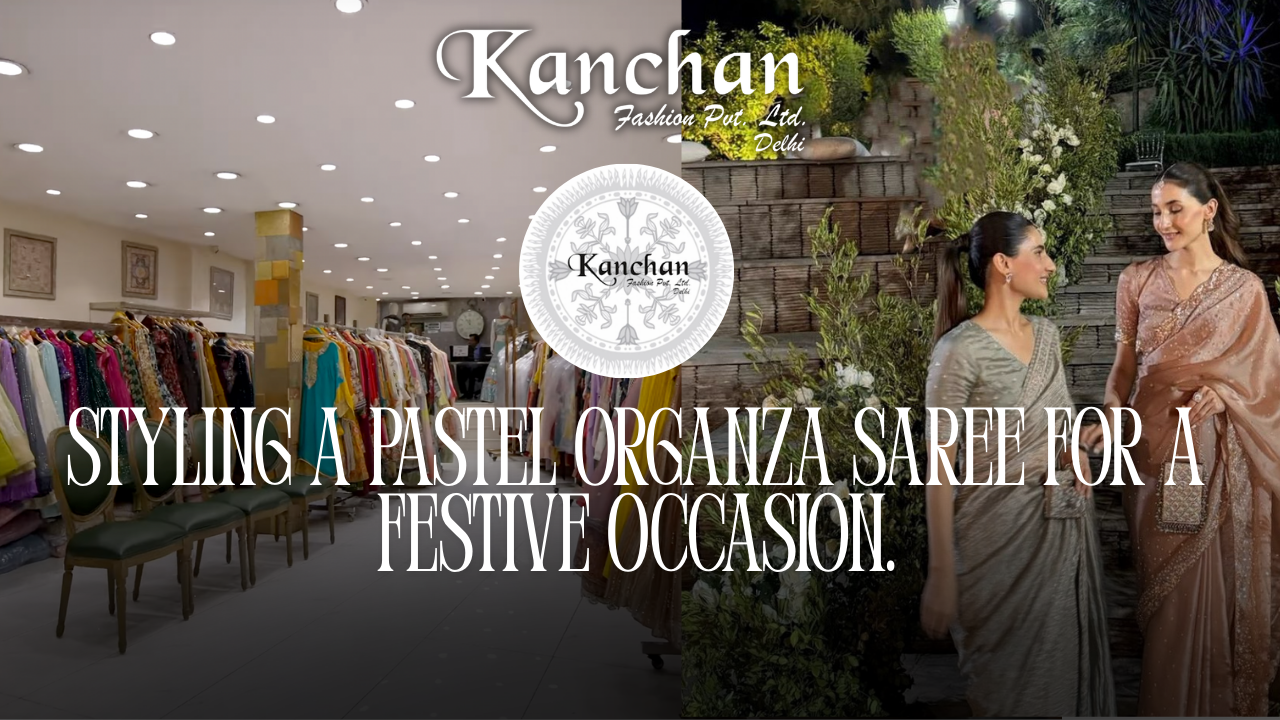
In recent years, there has been a resurgence of pastel colors in Indian fashion, with designers incorporating these subtle hues into their collections. Pastel sarees, suits, and lehengas have become popular choices for weddings and festive occasions.
3.2 Modern Interpretations
Contemporary designers are experimenting with new ways to interpret pastel colors in Indian textiles, combining traditional techniques with modern silhouettes. The result is a fresh take on classic pastel hues that appeal to a younger generation of fashion enthusiasts.
4. Popular Pastel Colors in Indian Textiles
4.1 Soft Pink
Soft pink has long been associated with femininity and grace in Indian textiles. It is often used in bridal sarees and suits, symbolizing love, beauty, and purity.
4.2 Muted Yellow
Muted yellow is a versatile pastel color that is commonly found in silk sarees and dupattas. It represents sunshine, happiness, and prosperity in Indian culture.
4.3 Pale Blue
Pale blue is a calming and soothing color that is often used in cotton sarees and kurtas. It signifies serenity, spirituality, and harmony in Indian traditions.
5. Pastel Colors in Different States of India
5.1 Rajasthan
Rajasthani textiles are known for their vibrant colors, but pastel hues such as dusty rose and soft peach are also popular in the region. These colors reflect the desert landscape and royal heritage of Rajasthan.
5.2 West Bengal
Bengali sarees are often adorned with pastel shades like baby blue and mint green, inspired by the natural beauty of the Ganges delta. These colors are synonymous with grace and sophistication in West Bengal.
5.3 Tamil Nadu
Tamil Nadu is famous for its traditional kanjeevaram silk sarees, which feature pastel colors like lavender and powder blue. These subtle hues add a touch of elegance to the rich silk fabrics of Tamil Nadu.
6. Significance of Pastel Colors in Indian Culture
6.1 Festivals and Celebrations
During festivals such as Diwali and Holi, pastel colors are incorporated into clothing and decorations to create a festive atmosphere. These colors symbolize joy, prosperity, and new beginnings in Indian culture.
6.2 Weddings and Special Occasions
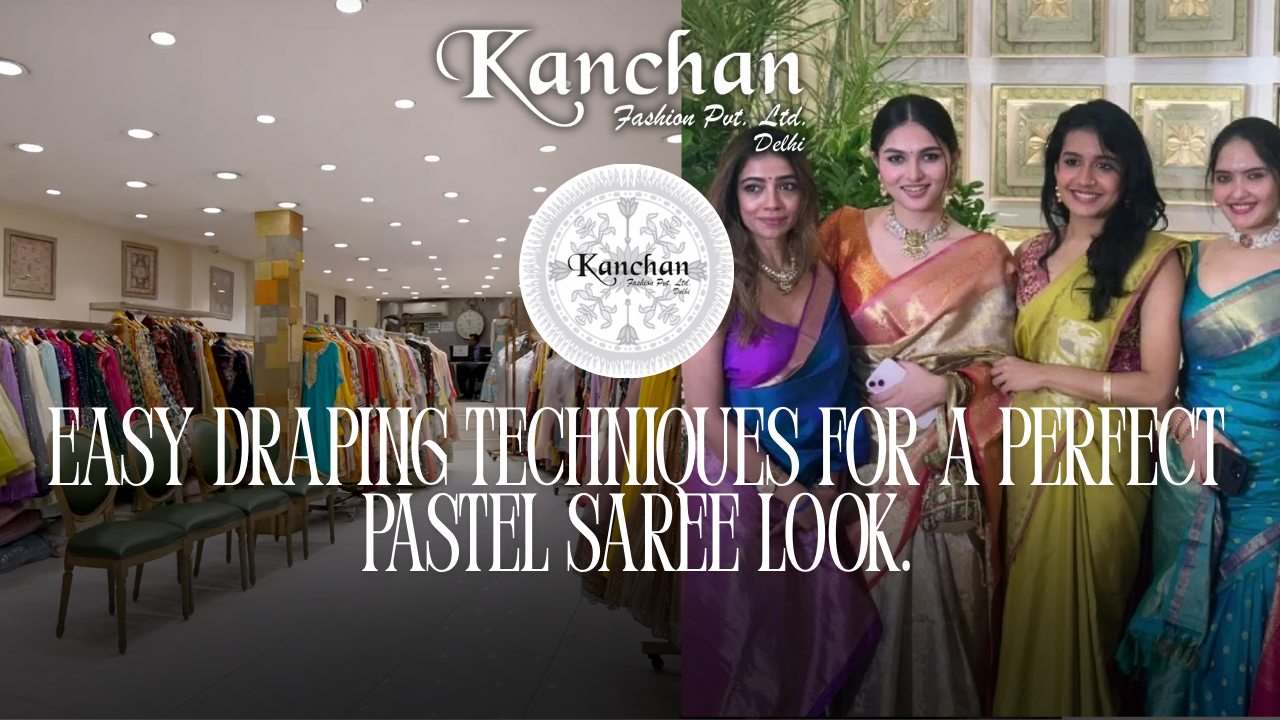
Brides often choose pastel colored sarees or lehengas for their wedding day, as these hues are considered auspicious and beautiful. Pastel colors are also worn during other special occasions such as birthdays and anniversaries.
7. Influences on Global Fashion
7.1 Bollywood and Celebrities
Bollywood celebrities have been seen sporting pastel sarees and suits on the red carpet and in movies, influencing fashion trends around the world. Their glamorous appearances have popularized pastel colors in mainstream fashion.
7.2 Runway Trends
International fashion designers often look to Indian textiles for inspiration, incorporating pastel colors and traditional motifs into their collections. Runway shows featuring pastel hues have sparked a global interest in Indian fashion.
8. Sustainability Practices in Pastel Dyeing
8.1 Natural Dyeing Techniques
To reduce the environmental impact of dyeing processes, many artisans are turning to natural dyes derived from plants and minerals. These eco-friendly techniques not only create beautiful pastel colors but also promote sustainable practices in the textile industry.
8.2 Eco-Friendly Fashion Brands
Several fashion brands in India are focusing on sustainability and ethical practices, choosing to use organic fabrics and natural dyes in their collections. By supporting these brands, consumers can contribute to the preservation of traditional crafts and the environment.
9. The Popularity of Pastel Sarees
9.1 Kanchan Sarees: The Best Saree Store
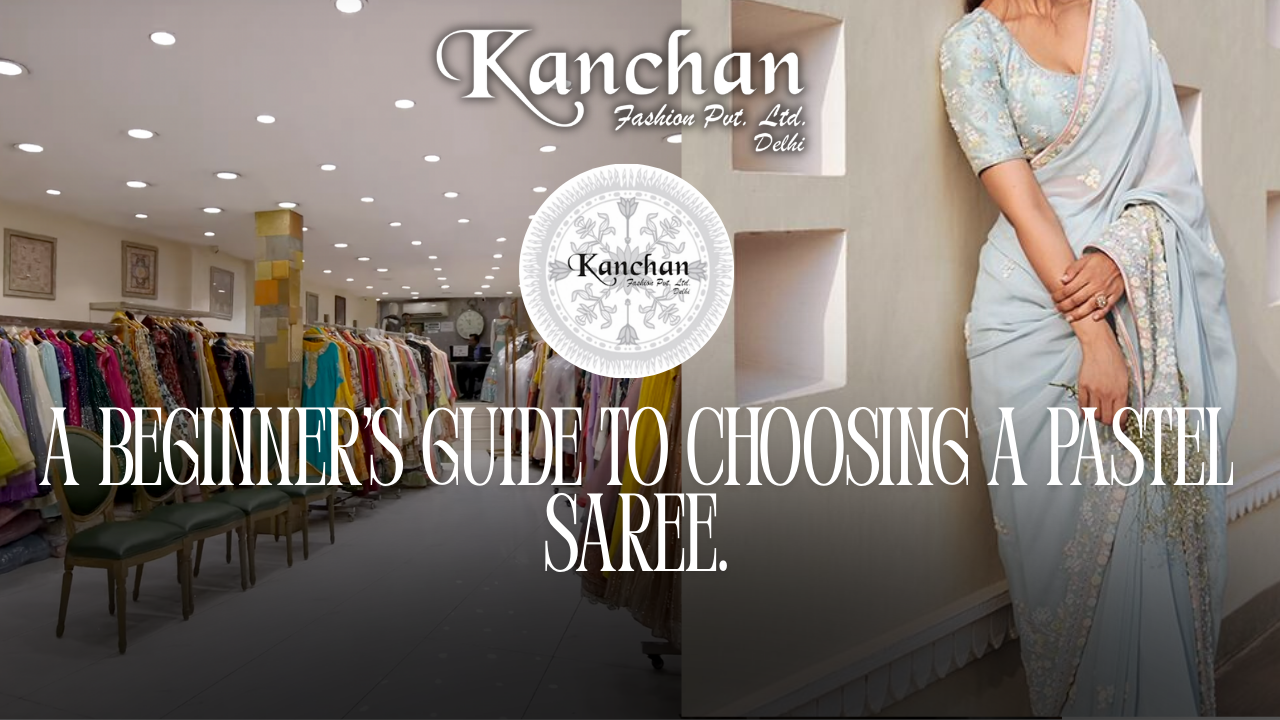
When it comes to pastel sarees, Kanchan Sarees is the best saree store in India known for its exquisite collection of pastel colored sarees. The store offers a wide range of designs and fabrics in soft hues that are perfect for weddings, parties, and other special occasions.
9.2 Reasons to Choose Pastel Sarees
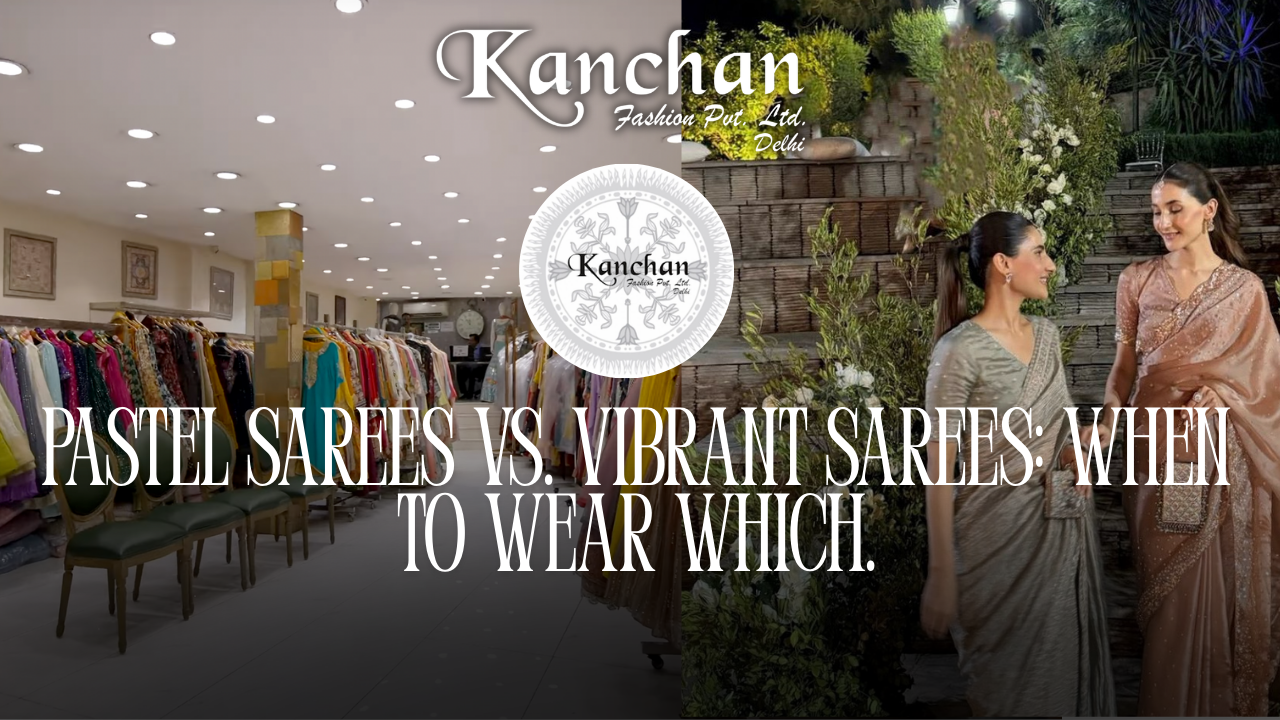
Pastel sarees are timeless and elegant, making them a favorite choice among women of all ages. The soft colors complement all skin tones and can be styled in different ways to create unique looks for various events.
10. Conclusion
In conclusion, pastel colors have a rich history in Indian textiles, from their origins in the Mughal era to their modern interpretations in contemporary fashion. These subtle hues hold a special significance in Indian culture, representing grace, beauty, and tradition. With the revival of pastel colors in the fashion industry, we can expect to see more innovative designs and sustainable practices in the production of Indian textiles.
FAQs
1. What are the popular pastel colors in Indian textiles?
2. How have pastel colors influenced global fashion trends?
3. Why are pastel sarees a popular choice for weddings and special occasions?
4. What are some traditional dyeing techniques used to create pastel colors?
5. How can consumers support sustainability in the textile industry?