Cart
0
Silk vs Cotton Sarees: What’s the Difference and When to Wear Each
Table of Contents
- Introduction
- Overview of Silk Sarees
- Overview of Cotton Sarees
- Differences Between Silk and Cotton Sarees
- When to Wear Silk Sarees
- When to Wear Cotton Sarees
- Styling Tips for Silk Sarees
- Styling Tips for Cotton Sarees
- Comfort and Durability
- Cost Comparison
- Cultural Significance
- Environmental Impact
- Caring for Silk Sarees
- Caring for Cotton Sarees
- Conclusion
- FAQs
Introduction
Sarees are an integral part of Indian culture and tradition, with silk and cotton sarees being among the most popular choices for women. Both silk and cotton sarees have their unique characteristics and are suited for different occasions and seasons. In this article, we will explore the differences between silk and cotton sarees and provide insights on when to wear each.
Overview of Silk Sarees
Types of Silk Sarees
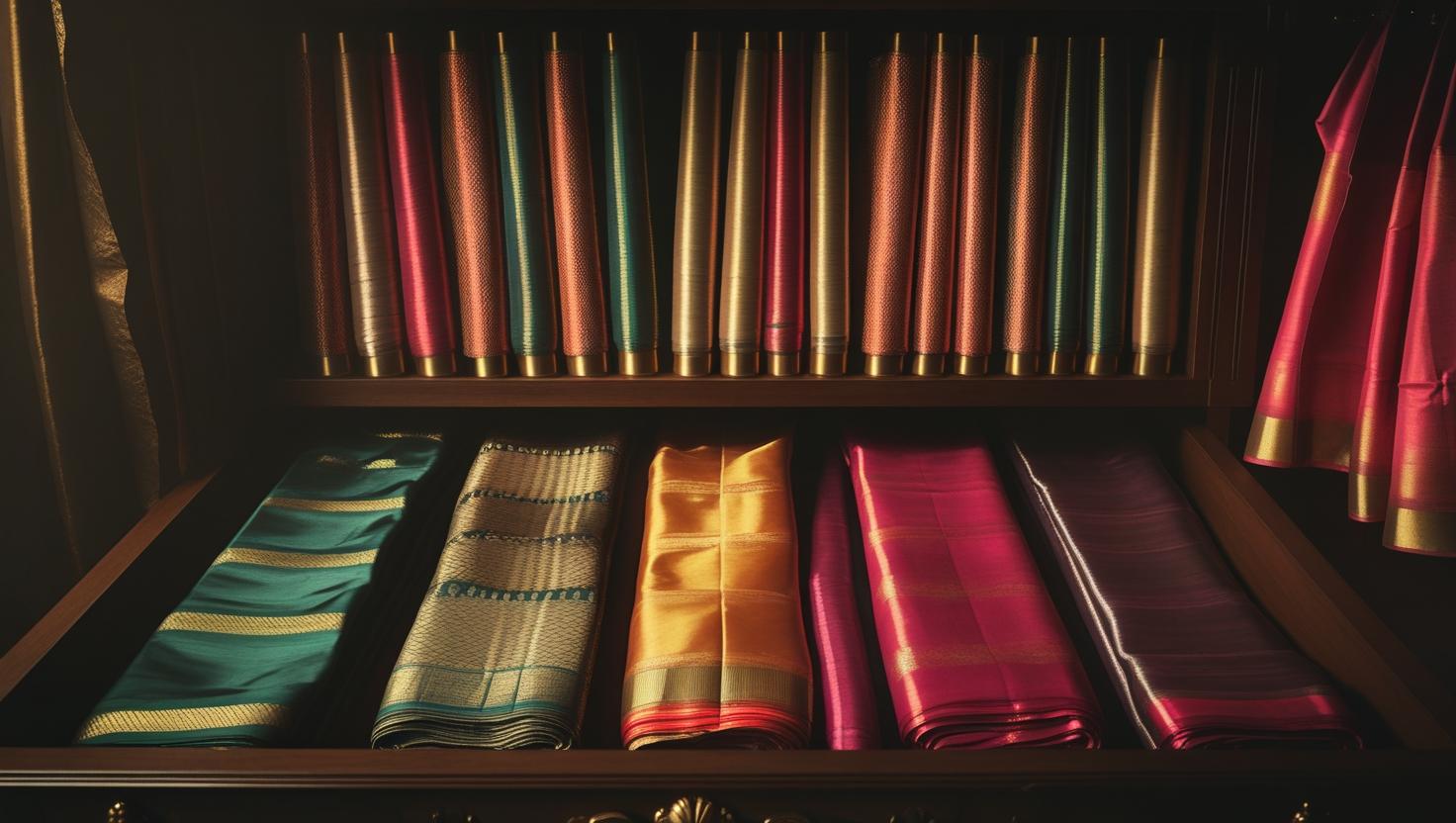
Silk sarees are known for their luxurious feel and rich texture. They come in various types such as Kanjeevaram, Banarasi, Tussar, and Mysore silk, each with its distinct weaving technique and design.
Characteristics of Silk Sarees
Silk sarees are known for their lustrous sheen, durability, and drape. They are often adorned with intricate embroidery, zari work, and embellishments, making them suitable for weddings and formal events.
Overview of Cotton Sarees
Types of Cotton Sarees
Cotton sarees are lightweight and breathable, making them perfect for daily wear and summer months. Some popular types of cotton sarees include Chanderi, Kota Doria, and Maheshwari sarees.
Characteristics of Cotton Sarees
Cotton sarees are known for their comfort, ease of maintenance, and versatility. They come in a wide range of prints, colors, and textures, making them suitable for both casual and formal occasions.
Differences Between Silk and Cotton Sarees
Fabric Quality
Silk sarees are made from natural silk fibers, which give them a luxurious and rich feel. On the other hand, cotton sarees are made from cotton fibers, making them lightweight and breathable.
Occasion Wear
Silk sarees are traditionally worn for weddings, festivals, and special occasions due to their grandeur and opulence. Cotton sarees, on the other hand, are more suited for daily wear, office, and casual events.
When to Wear Silk Sarees
Weddings and Festivals
Silk sarees are a popular choice for weddings and festive occasions due to their intricate designs and rich aesthetic appeal. They are often paired with traditional jewelry and accessories for a complete look.
Formal Events
Silk sarees are also suitable for formal events such as parties, receptions, and cultural functions. They exude elegance and sophistication, making them a timeless wardrobe essential.
When to Wear Cotton Sarees
Work and Office Wear
Cotton sarees are ideal for daily wear, especially in a professional setting. They are comfortable to wear for long hours and provide a chic yet understated look.
Summer and Casual Outings
During the hot summer months, cotton sarees are a practical choice for casual outings, picnics, and gatherings. They keep you cool and stylish without compromising on comfort.
Styling Tips for Silk Sarees
Accessorizing
When wearing a silk saree, opt for traditional jewelry such as gold or silver ornaments, kundan sets, and statement earrings to complement the richness of the saree.
Blouse Designs
Choose a well-fitted and intricately designed blouse to enhance the beauty of the silk saree. Experiment with different necklines, sleeve lengths, and back designs for a personalized touch.
Styling Tips for Cotton Sarees
Minimalist Jewelry
For a casual look, pair your cotton saree with minimalist jewelry such as stud earrings, bangles, or a simple pendant necklace. Avoid heavy or elaborate jewelry to keep the look light and breezy.
Mix and Match
Get creative with mixing and matching your cotton saree with contrasting blouses, dupattas, or accessories to create a unique and contemporary look. Play with colors, patterns, and textures for a personalized style statement.
Comfort and Durability
Silk Sarees
While silk sarees offer a luxurious feel, they may not be as breathable or comfortable as cotton sarees. However, silk sarees are known for their durability and long-lasting quality with proper care.
Cotton Sarees
Cotton sarees are lightweight, breathable, and easy to maintain. They are ideal for daily wear and can withstand regular washing without losing their color or texture.
Cost Comparison
Silk Sarees
Silk sarees are generally more expensive than cotton sarees due to the intricate weaving techniques, premium quality silk fibers, and elaborate embellishments used in their making.
Cotton Sarees
Cotton sarees are more affordable and budget-friendly compared to silk sarees. They come in a wide range of price points, making them accessible to a wider audience.
Cultural Significance
Silk Sarees
Silk sarees hold cultural significance in many Indian states and are considered auspicious for weddings, festivals, and special occasions. They are often passed down through generations as heirlooms.
Cotton Sarees
Cotton sarees also have cultural significance, especially in regions where cotton weaving is a traditional craft. They symbolize simplicity, purity, and elegance in Indian ethnic wear.
Environmental Impact
Silk Sarees
The production of silk involves the cultivation of silkworms and harvesting of silk fibers, which may raise concerns about animal welfare and environmental sustainability. However, efforts are being made to promote ethical silk production practices.
Cotton Sarees
Cotton sarees are made from natural cotton fibers, which are biodegradable and eco-friendly. Organic cotton sarees are gaining popularity due to their minimal impact on the environment and sustainable farming practices.
Caring for Silk Sarees
Dry Cleaning
Silk sarees should be dry cleaned to maintain their luster and prevent damage to the delicate fabric. Avoid exposing silk sarees to direct sunlight or moisture to prevent color fading or shrinkage.
Storage
Store silk sarees in a cool, dry place away from direct sunlight and moisture. Avoid hanging silk sarees for extended periods, as they may lose their shape or get stretched out over time.
Caring for Cotton Sarees
Handwashing
Cotton sarees can be hand washed or machine washed using a gentle cycle to maintain their color and texture. Avoid wringing or twisting the saree and dry it in a shaded area to prevent fading.
Ironing
Iron cotton sarees on a low to medium setting to avoid damaging the fabric. Use a cotton setting on the iron and iron the saree when it is slightly damp for best results.
Conclusion
In conclusion, silk and cotton sarees have their unique charm and are suited for different occasions and preferences. Whether you prefer the luxurious feel of silk sarees or the comfort of cotton sarees, both options offer a timeless appeal and cultural significance in Indian ethnic wear.
FAQs
1. Can silk sarees be worn in summer?
Silk sarees may not be the best choice for hot summer days due to their heavier texture. Cotton sarees are more breathable and comfortable options for summer wear.
2. Are cotton sarees suitable for weddings?
While cotton sarees are more casual in nature, they can be styled elegantly for daytime weddings or small ceremonies. Consider choosing a cotton saree with embellishments or silk blends for a dressier look.
3. How can I tell the difference between pure silk and artificial silk sarees?
Pure silk sarees have a natural sheen, soft texture, and are lightweight. Artificial silk sarees may feel stiffer, less lustrous, and have a synthetic smell. Look for silk purity certifications or consult with a trusted retailer to confirm the authenticity of silk sarees.
4. Can cotton sarees be worn in winter?
Cotton sarees can be worn in winter by layering them with warm shawls, jackets, or blouses. Consider choosing thicker cotton weaves or adding thermal wear underneath for added warmth.
5. How do I store silk sarees to prevent damage?
Store silk sarees in breathable cotton bags or muslin cloth to protect them from dust, pests, and moisture. Avoid using plastic covers or hangers, as they can trap moisture and cause discoloration or mildew on silk sarees.